

Cylinders and Manipulation
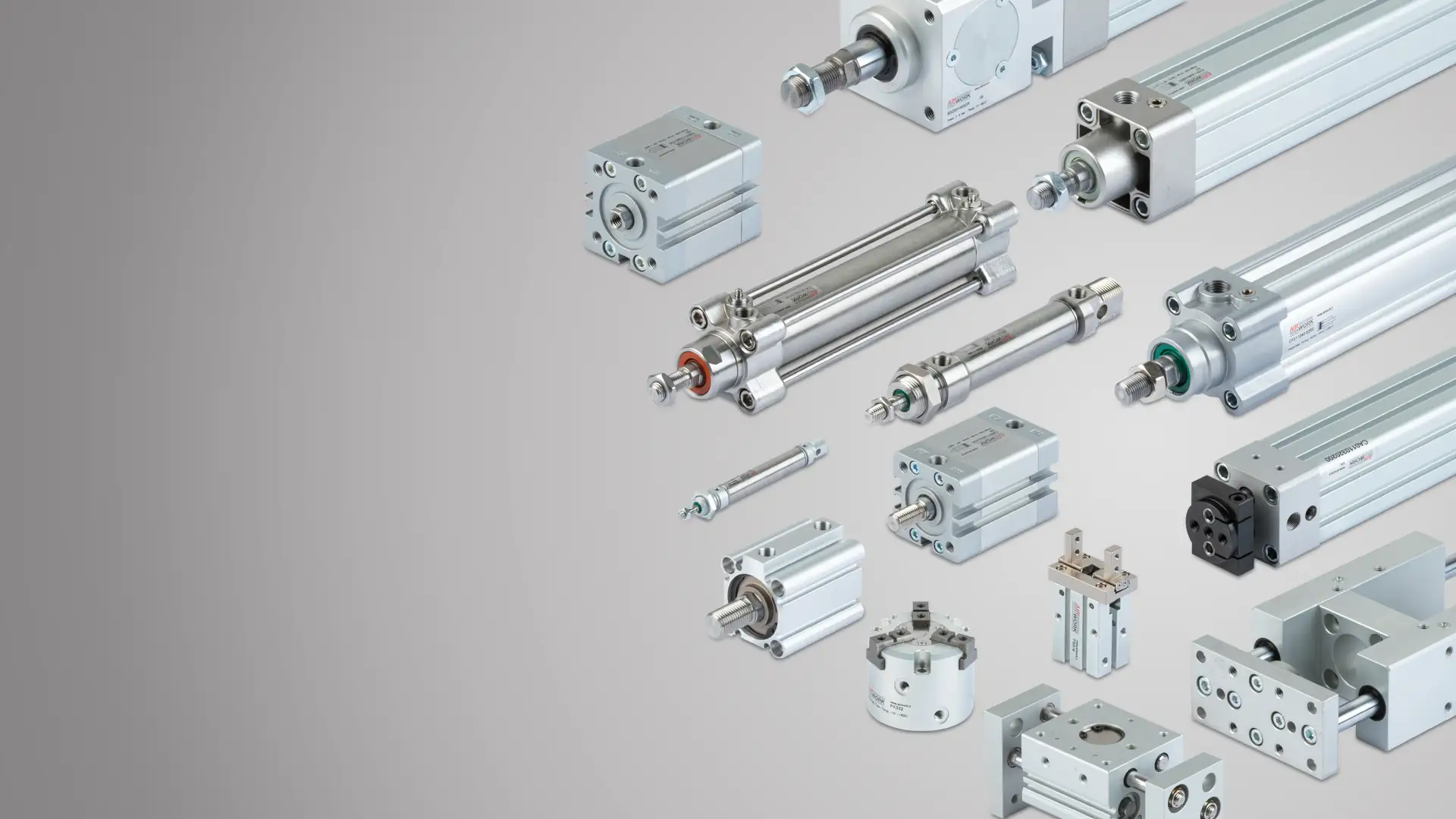
Standard pneumatic cylinders and non-standard pneumatic cylinders.
Search for products
Didn’t find what you were looking for?
Contact us and we will help you to find the most suitable solution
Contact usSpecial products
Customized pneumatic components for your every need


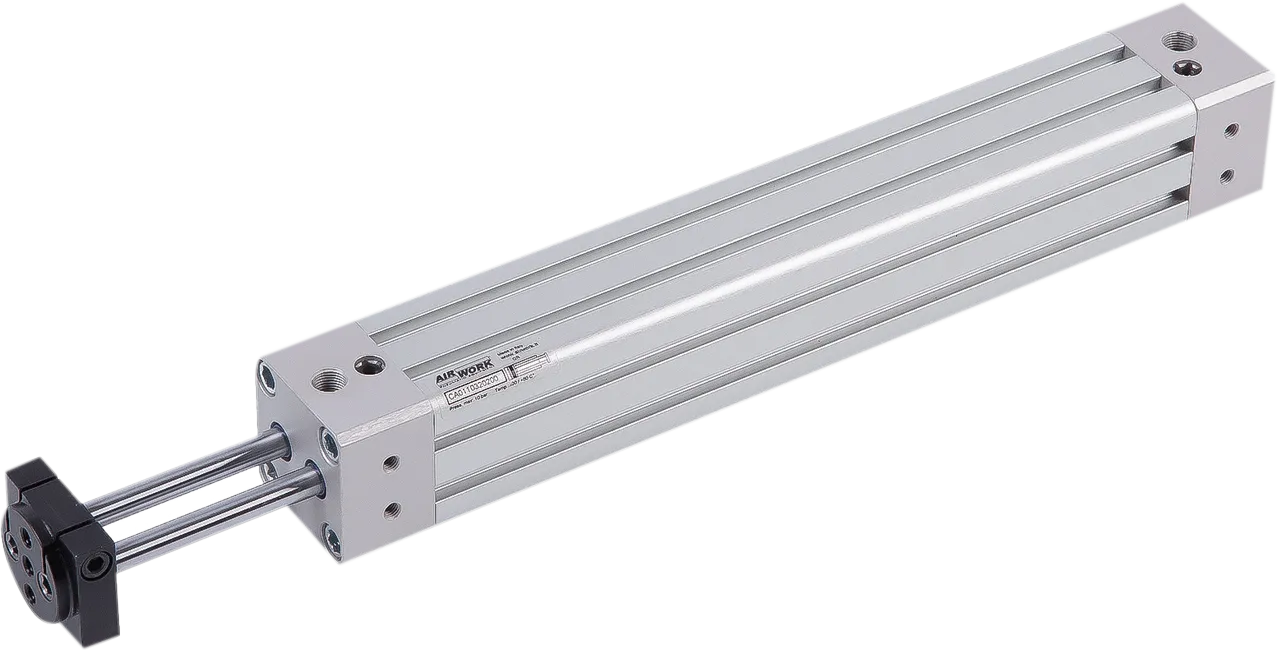
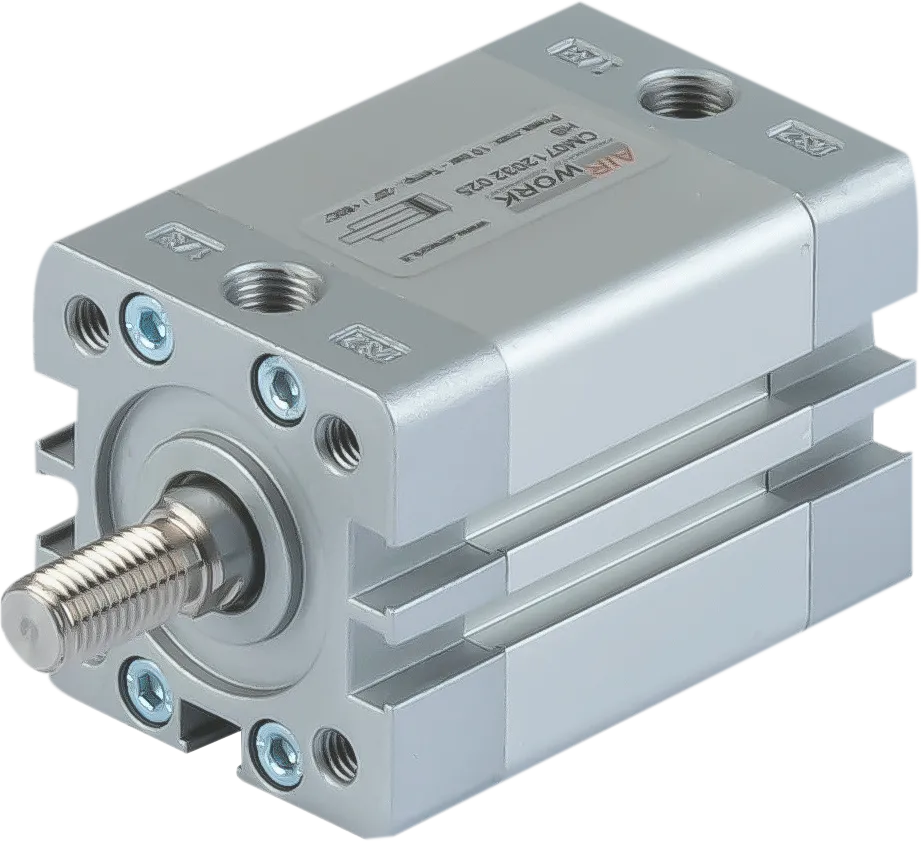
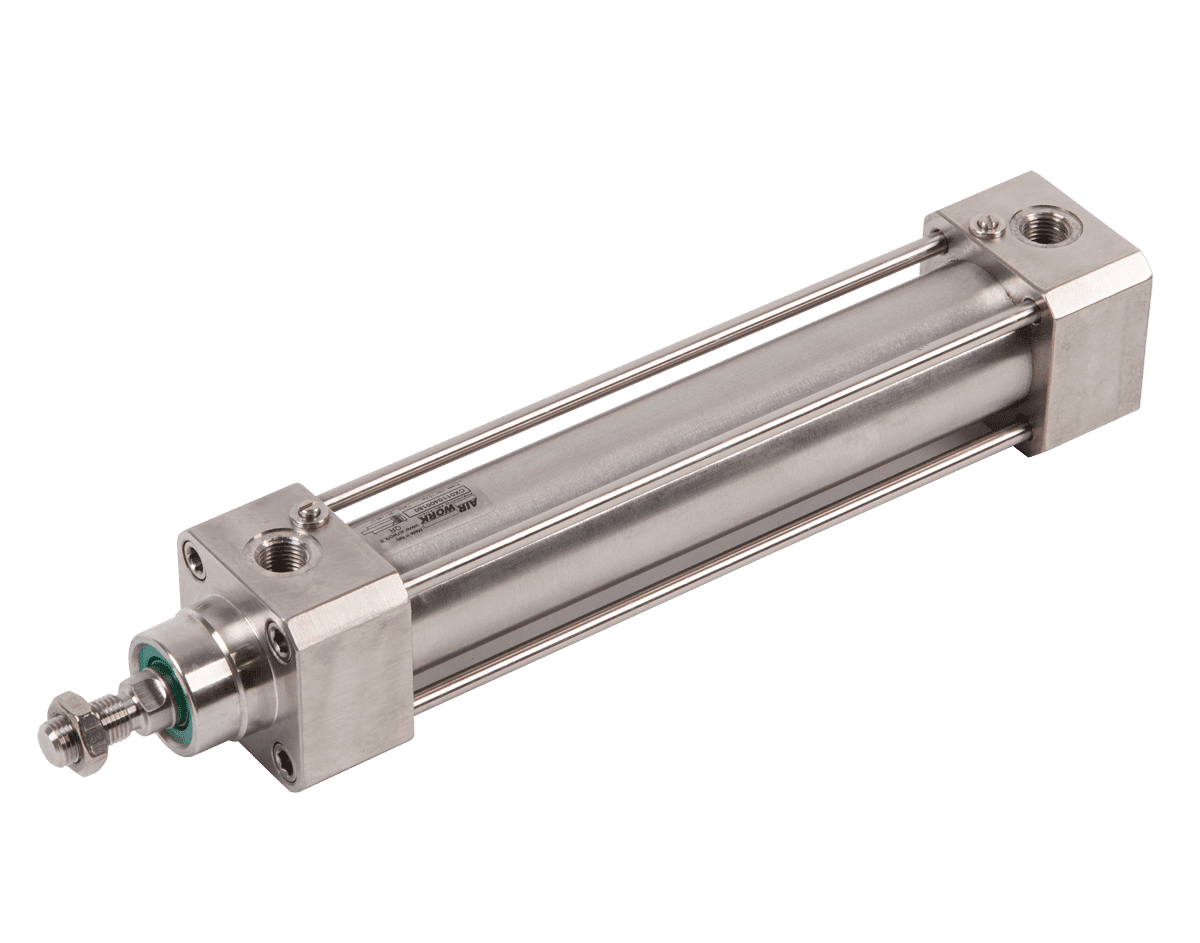
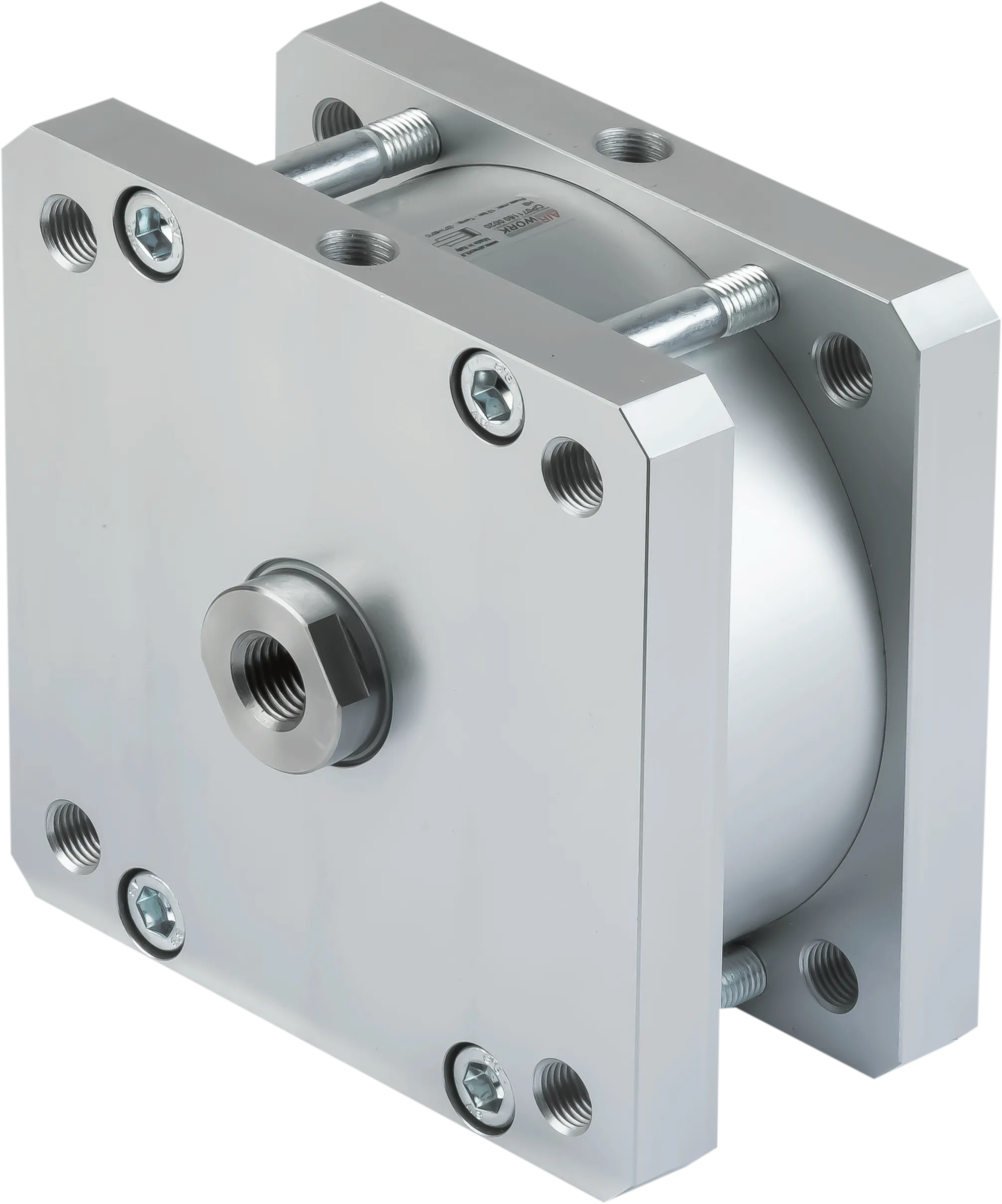

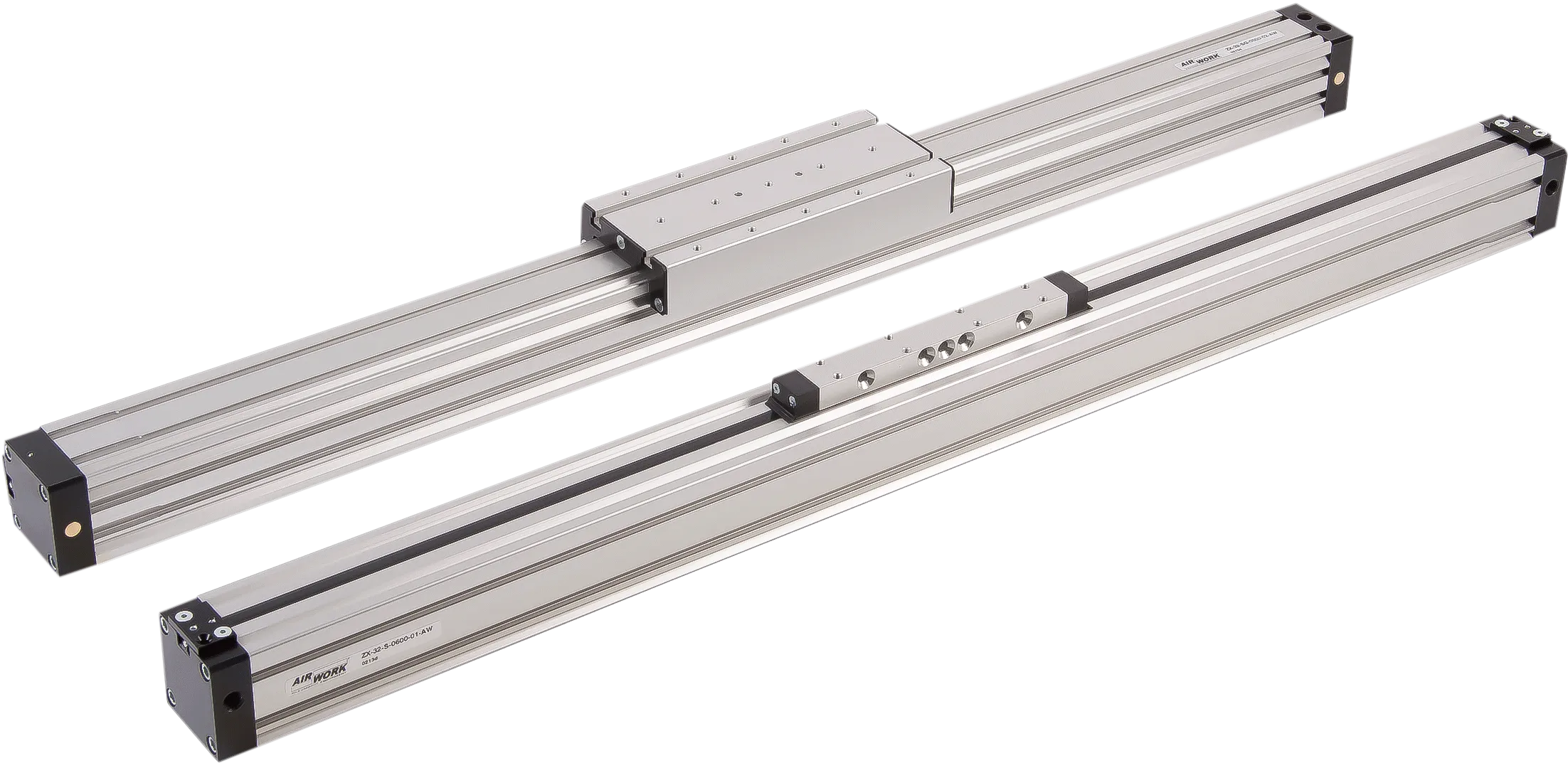
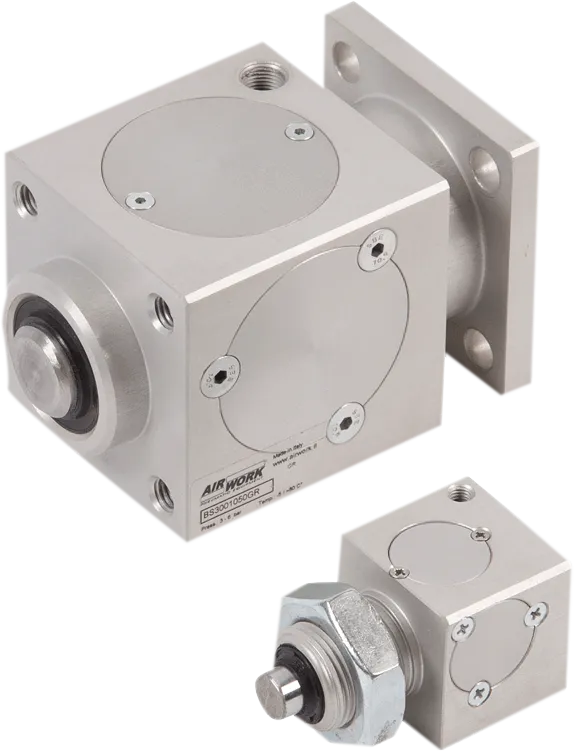


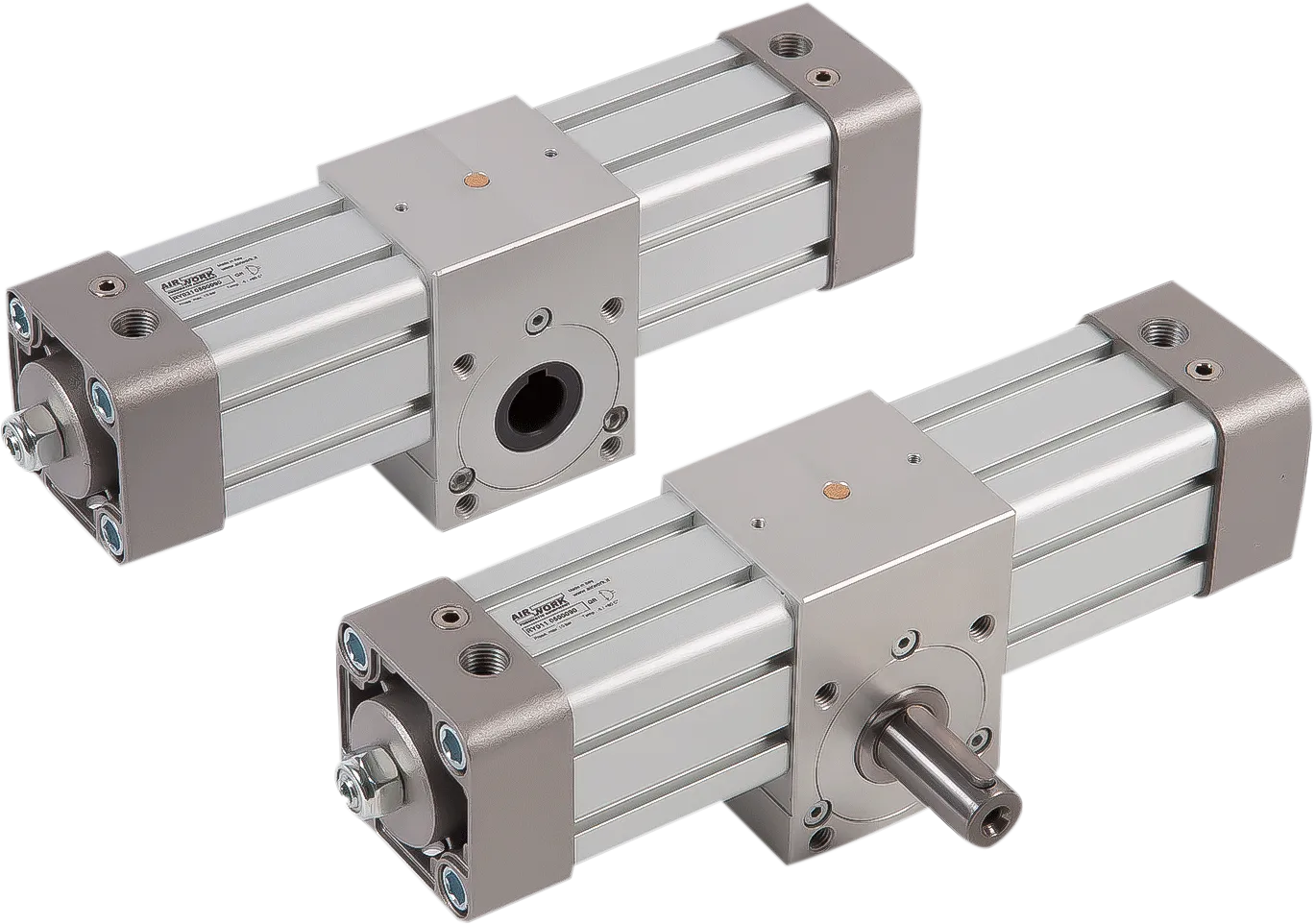

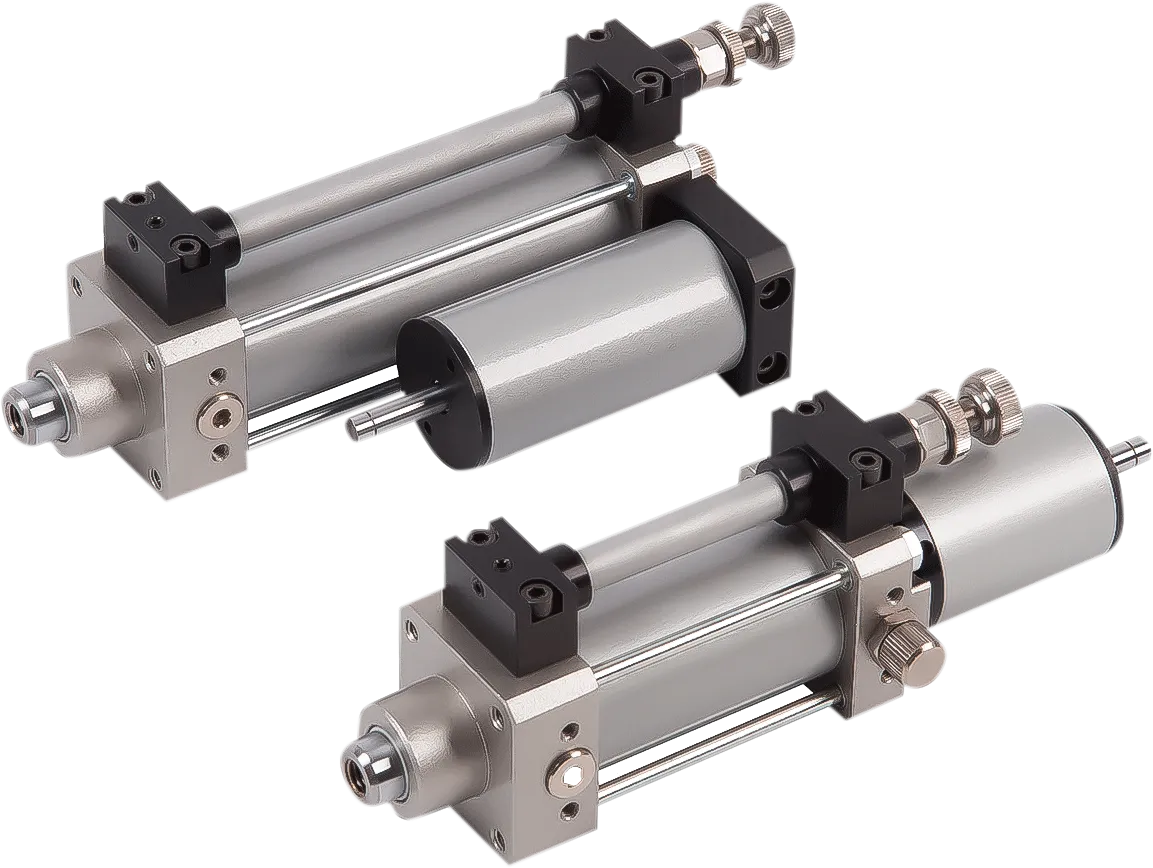
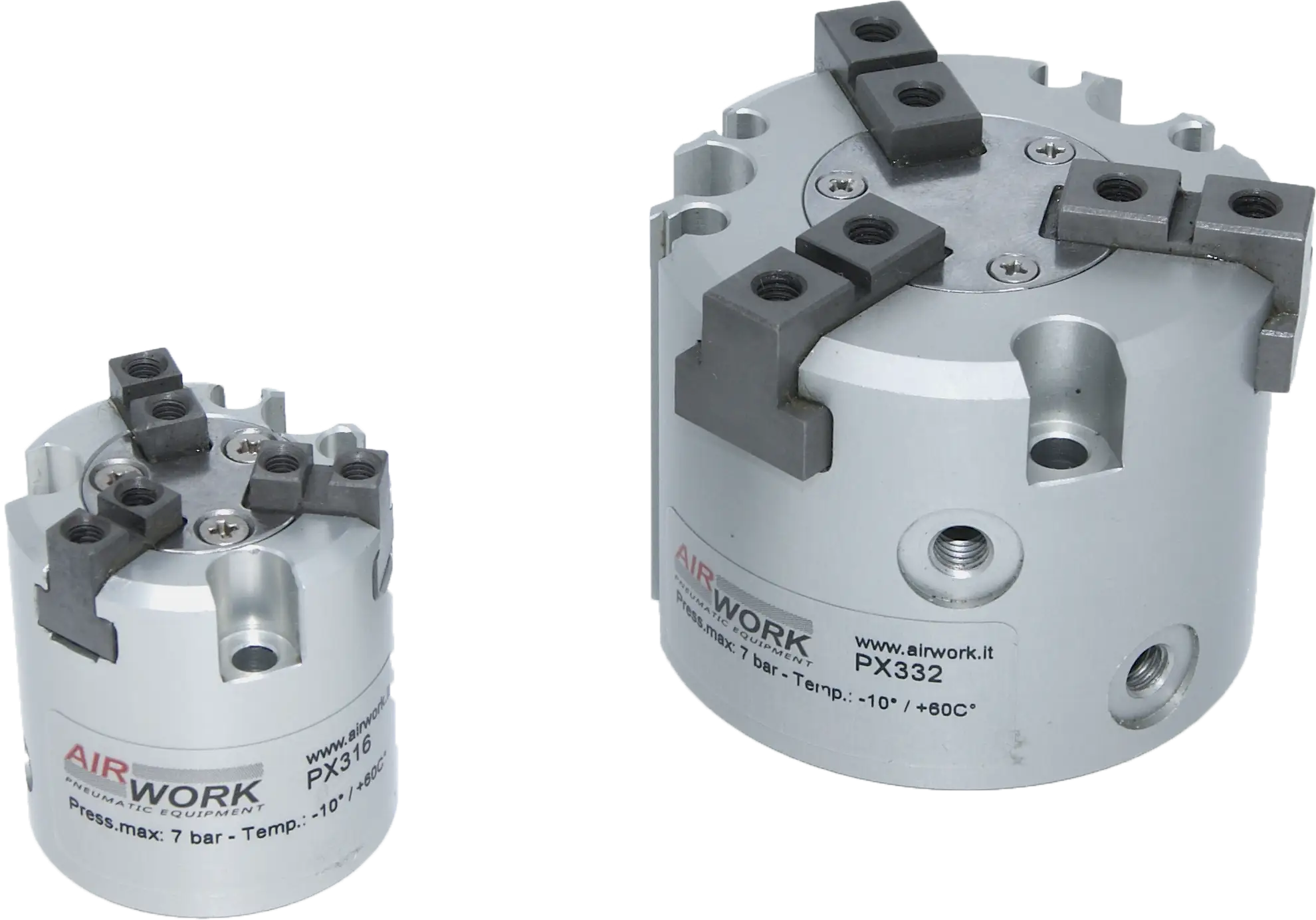
Insights into Pneumatic Actuators and Cylinders
Essential Devices for Industrial Automation
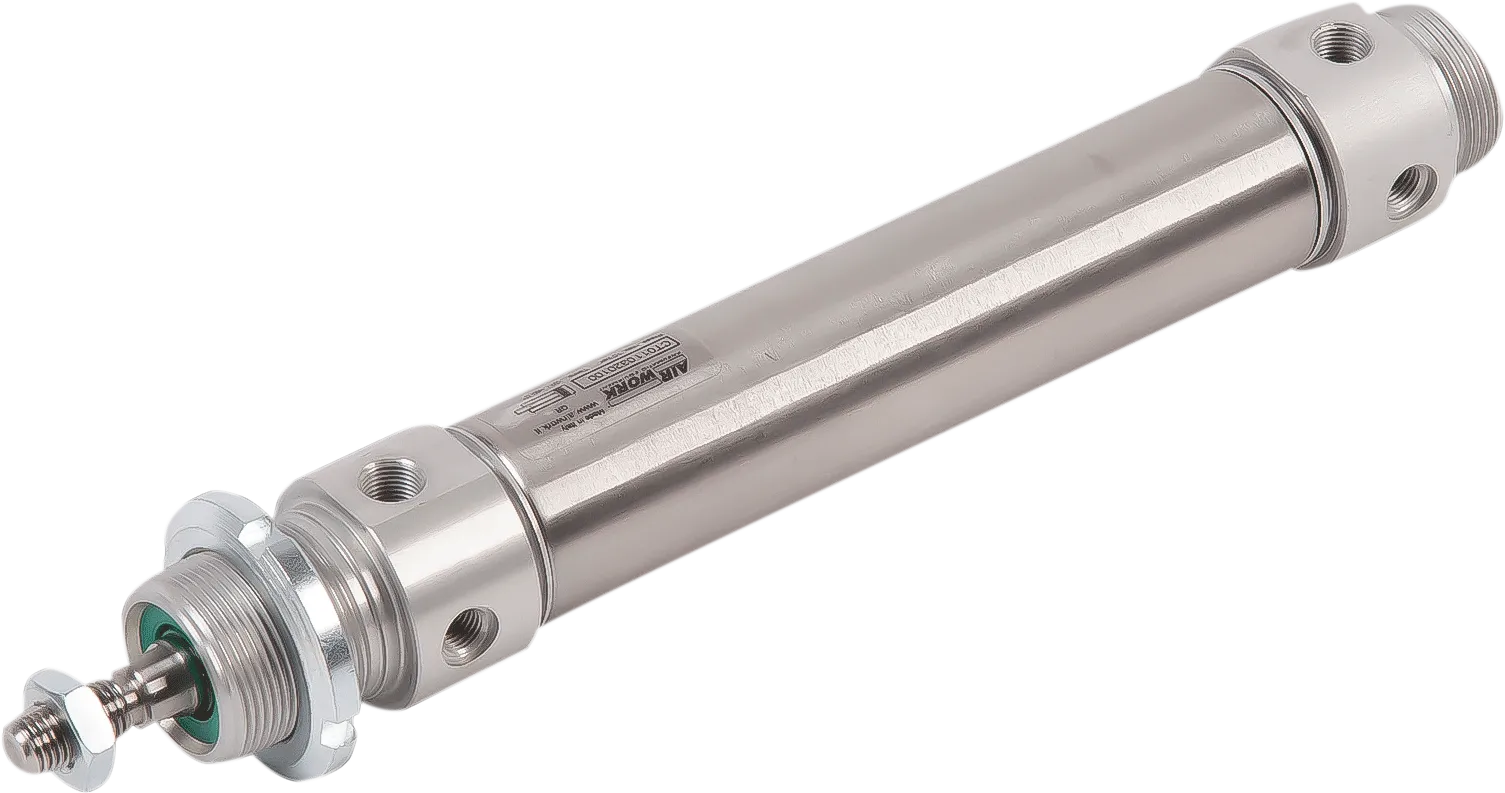
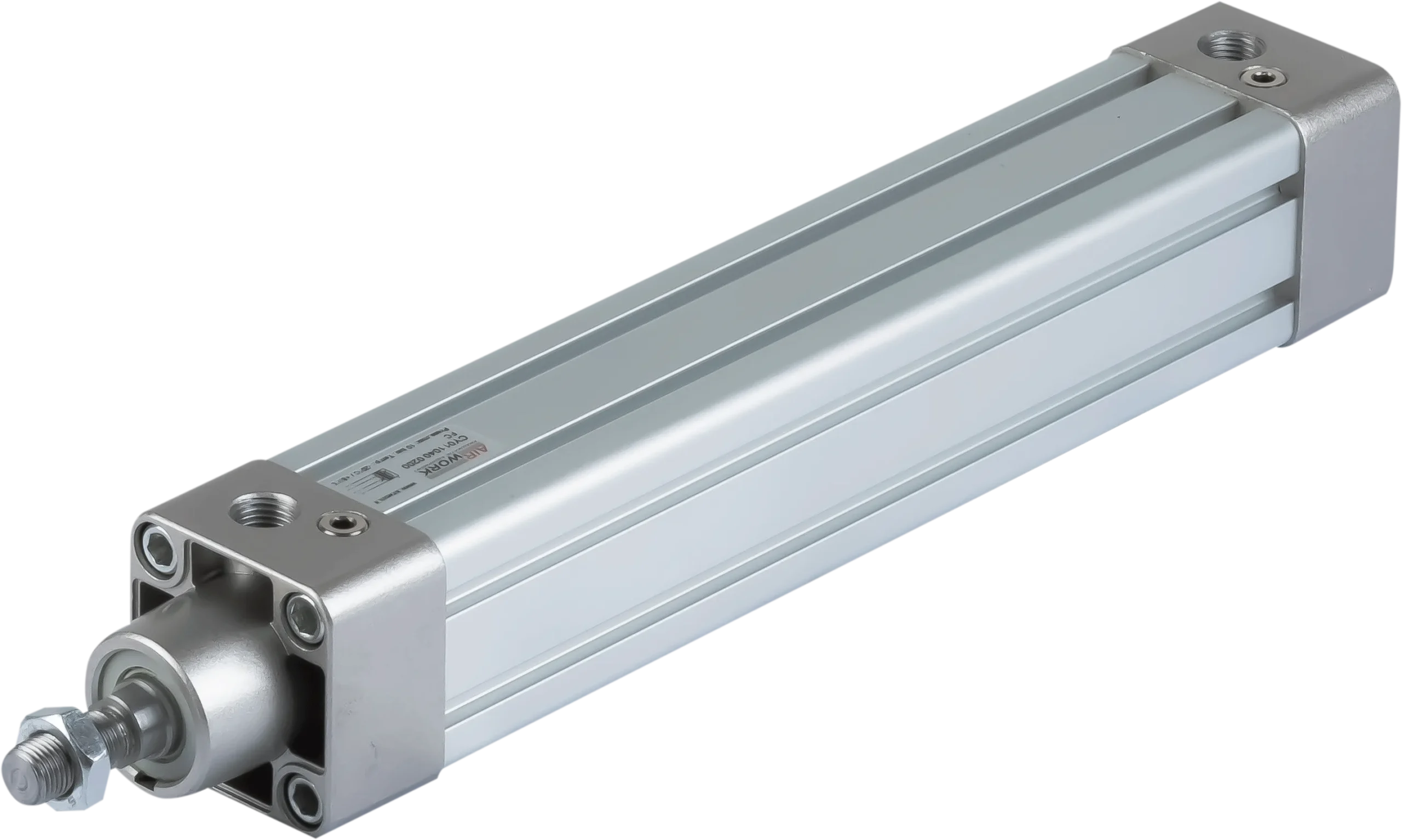
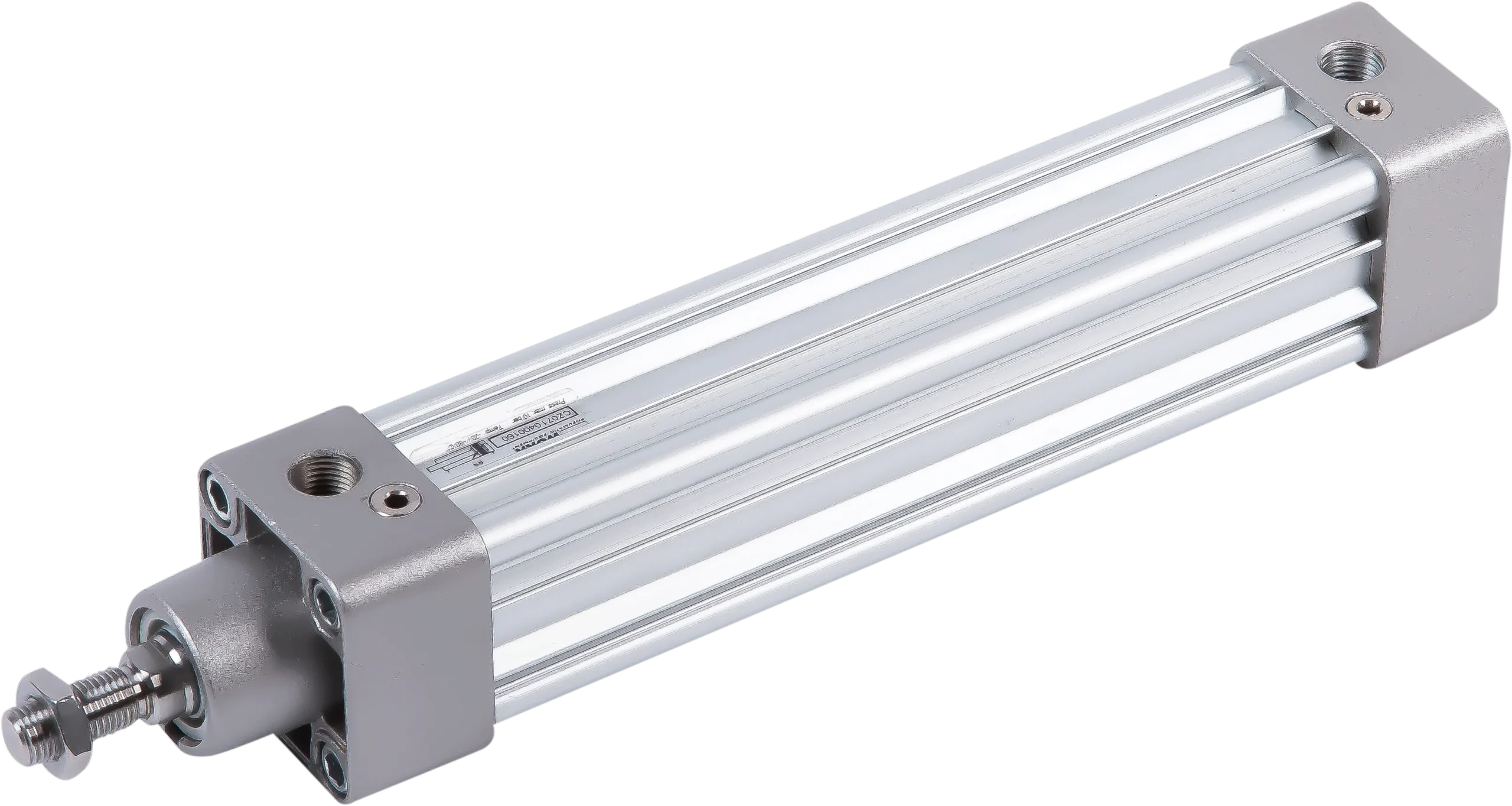
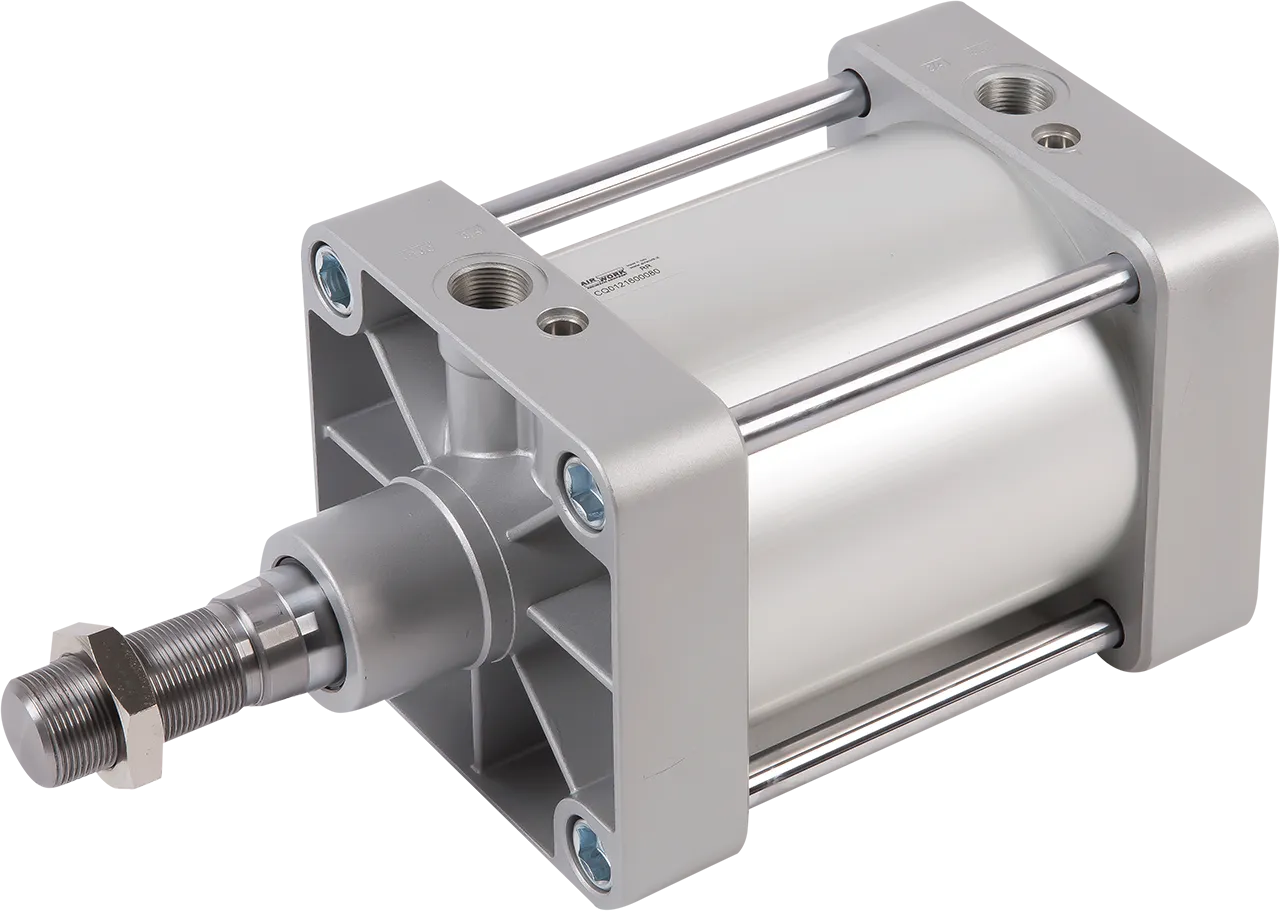
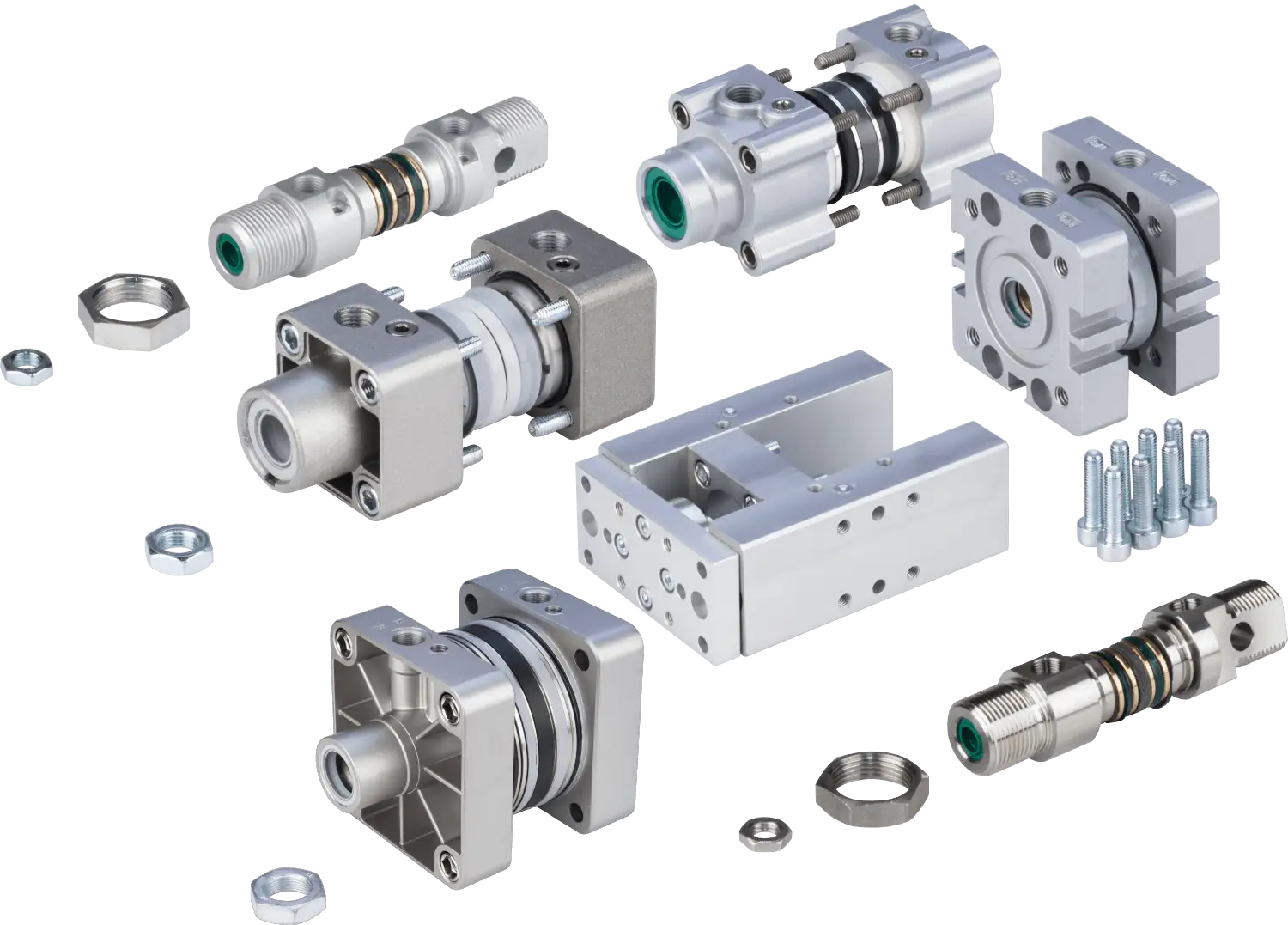
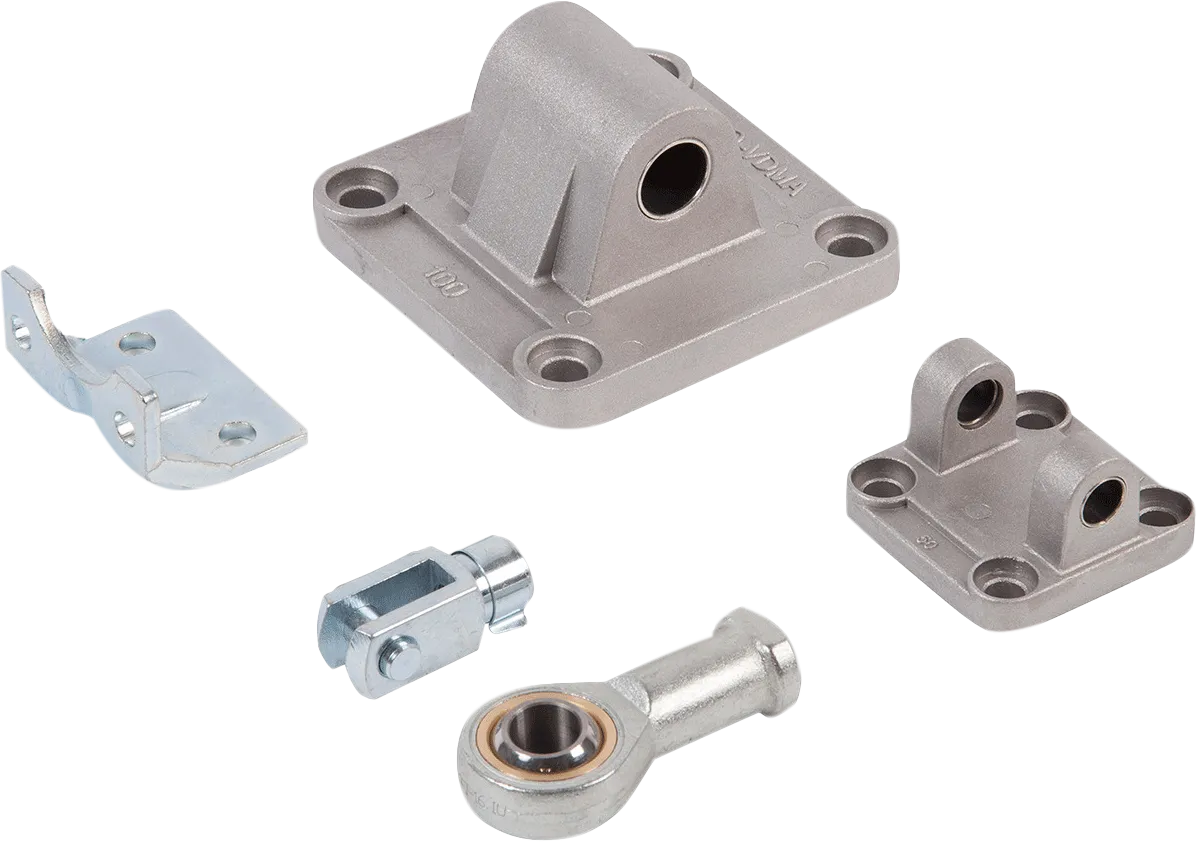
The family of pneumatic actuators and cylinders is divided into two main categories: standard pneumatic cylinders and non-standard pneumatic cylinders.
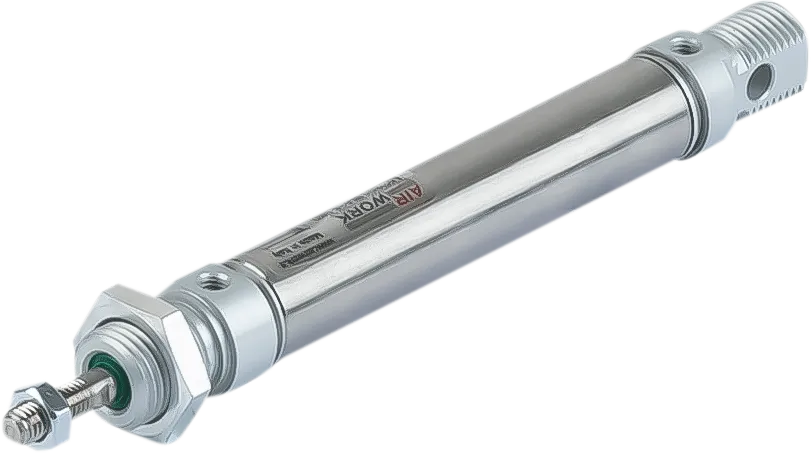
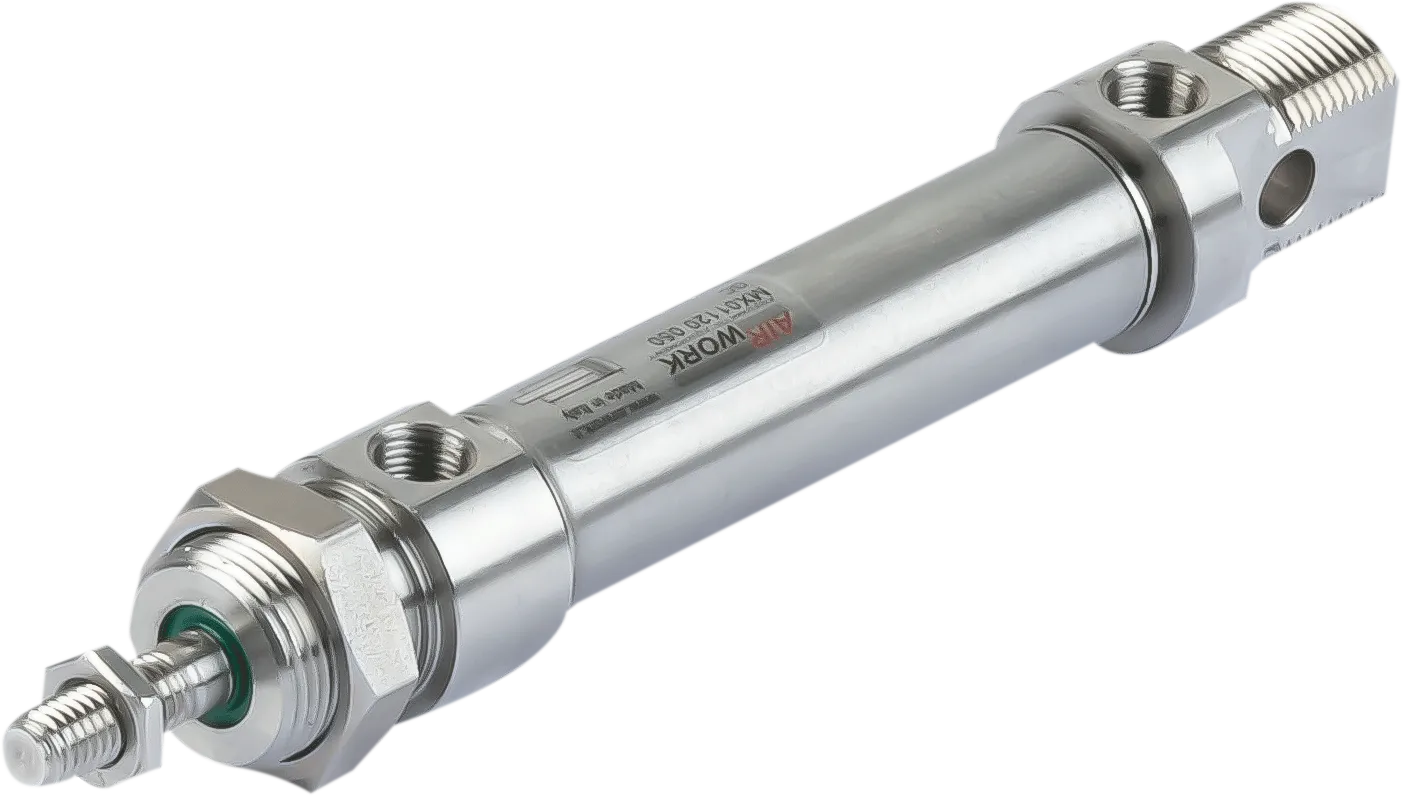
Within the Airwork range, we find cylinders compliant with ISO 6432, 15552 (formerly 6431) and ISO 21287 standards.
Non-standard actuators include:
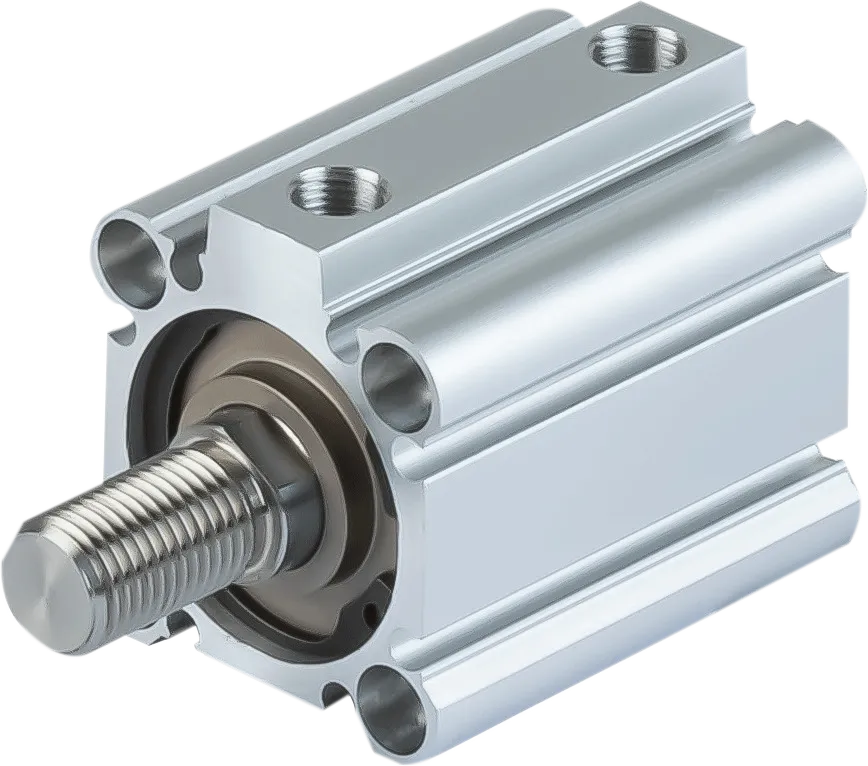
- compact pneumatic cylinders,
- rotary pneumatic cylinders,
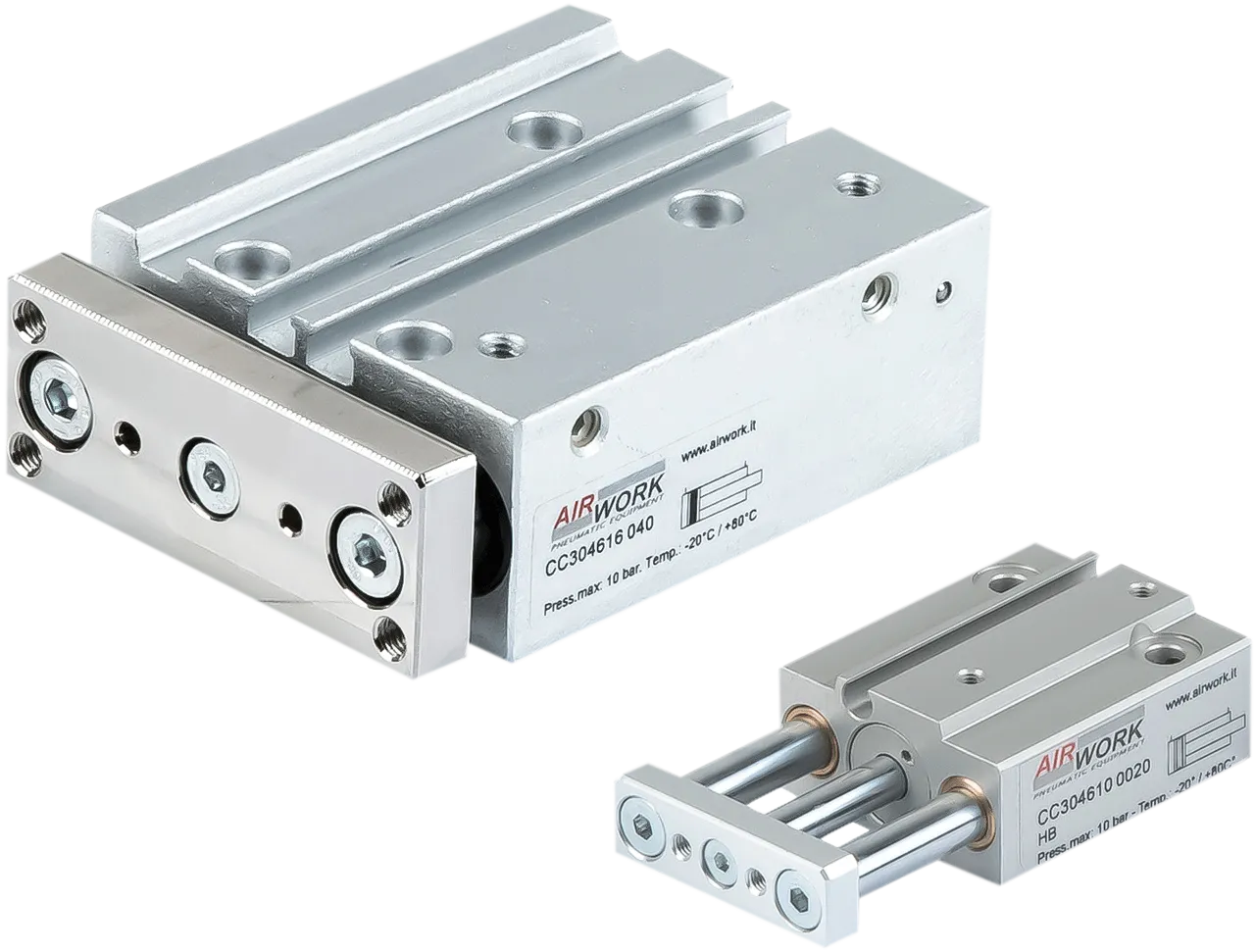
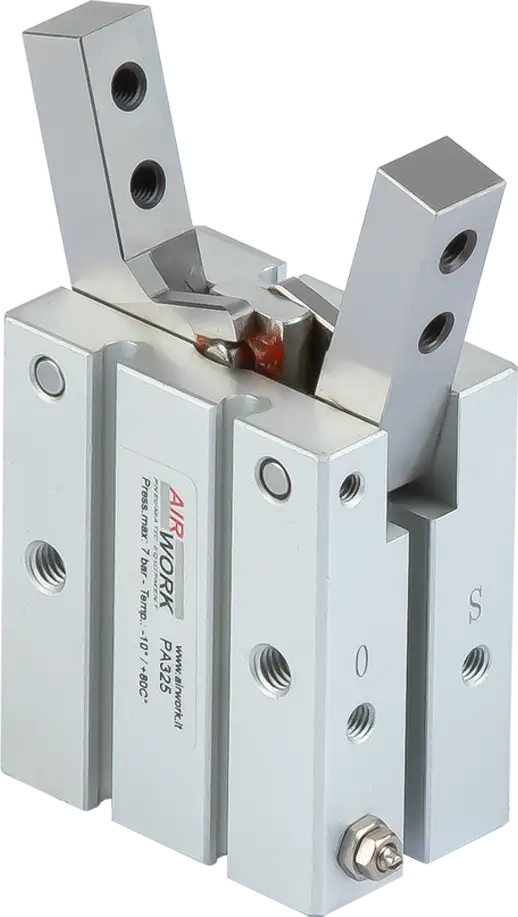
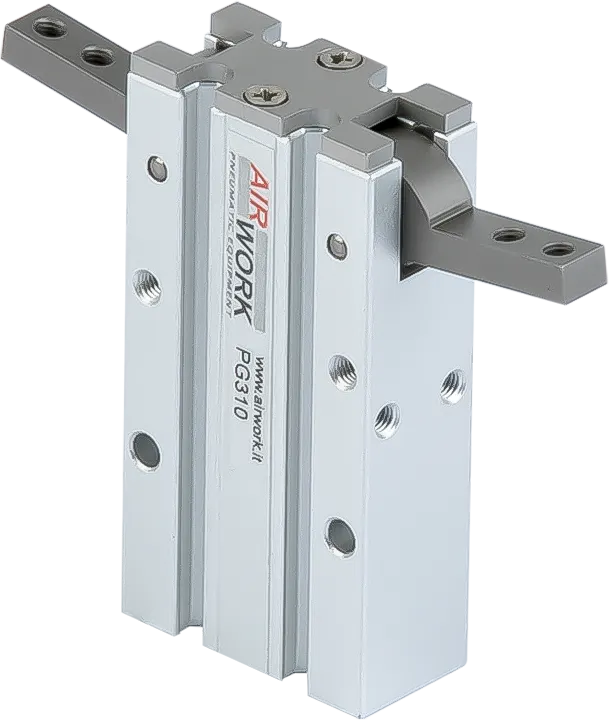
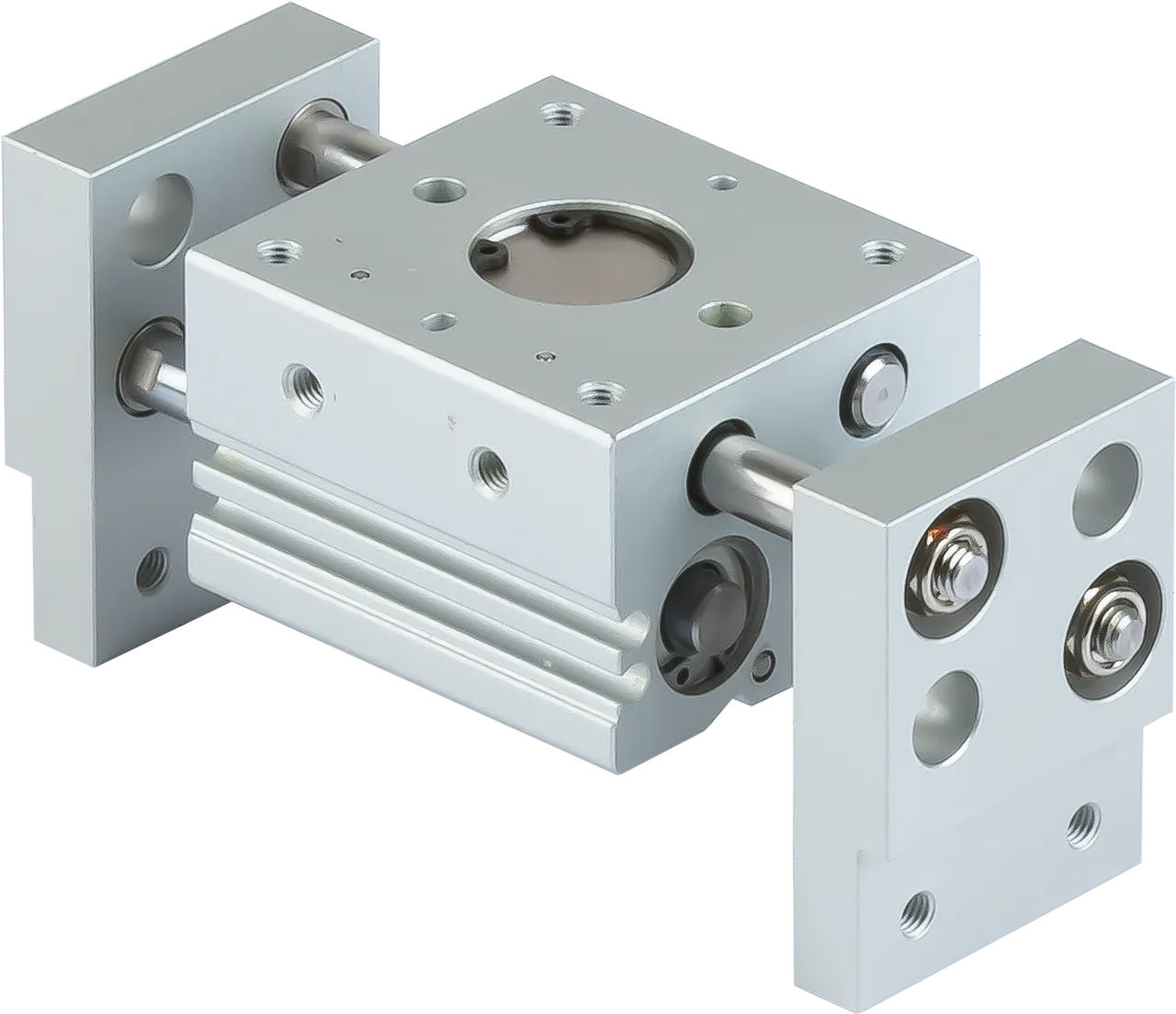
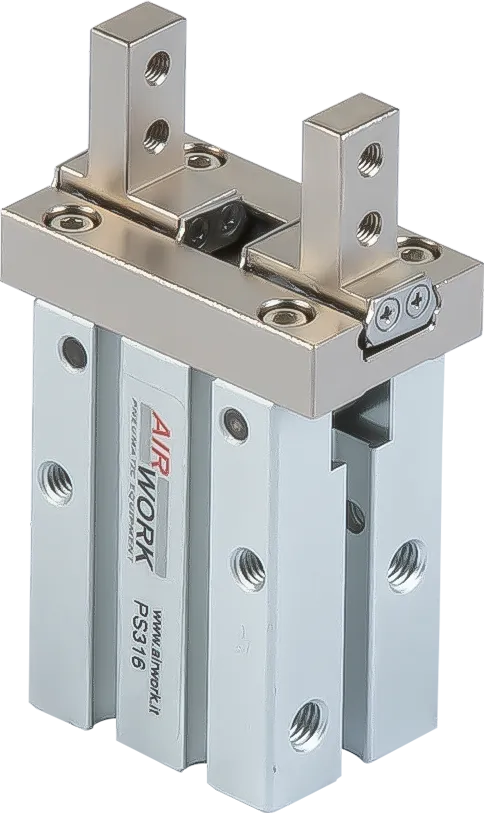
- guided units,
- locking units and air/oil units.
What Are Pneumatic Actuators and What Are They Used For?
At the heart of every industrial pneumatic system are actuators—key components that convert compressed air energy into controlled mechanical motion.
A pneumatic actuator represents the final element of a pneumatic circuit, the one that actually performs the physical work:
- moving loads,
- operating valves,
- handling components,
- or carrying out assembly operations.
Their ability to convert air pressure into mechanical force makes them essential in countless industrial applications, where reliability, speed, and energy efficiency are fundamental requirements.
How a Pneumatic Actuator Works
The operation of a pneumatic actuator is based on well-established physical principles.
Compressed air, supplied by a compressor and properly treated, is directed into a chamber where it acts on a moving surface, typically a piston or a vane.
The applied pressure generates a force that produces the desired motion.
The structure of a typical pneumatic cylinder includes:
- a cylindrical body (barrel),
- an internal piston connected to a rod,
- seals to ensure airtightness,
- and the necessary connections for air inlet and outlet.
Construction materials are carefully selected: aluminum alloys for the body, special steels for the rod, and high-performance polymer materials for the seals, ensuring long service life even under demanding operating conditions.
Types of Pneumatic Actuators
The range of pneumatic actuators available on the market has evolved to meet a wide variety of application needs.
Understanding the distinctive features of each type is essential to selecting the optimal solution.
Linear Pneumatic Actuators
Linear pneumatic actuators, or pneumatic cylinders, represent the most widespread category. These devices convert air pressure into linear rod motion, ideal for pushing, pulling, lifting, or positioning operations.
Their versatility makes them suitable for an extremely wide range of applications, from handling small components to lifting heavy industrial loads.
Within this family, the main distinction concerns the supply system.
A double-acting pneumatic actuator features two separate chambers: compressed air can be alternately introduced into each chamber, allowing both extension and retraction strokes to be controlled with the same force in both directions.
This characteristic makes them particularly suitable for applications requiring precise and repeatable motion in both directions, such as automated assembly systems or machine tools.
By contrast, a spring-return pneumatic piston (single-acting actuator) uses compressed air to move in only one direction, while the return to the initial position occurs thanks to an internal spring.
This configuration is especially advantageous in safety applications, where it is essential to guarantee a predefined position in the event of pneumatic power loss, or in situations where the return stroke does not need to perform significant work.
Rotary Pneumatic Actuators
When application requirements call for rotary rather than linear motion, rotary pneumatic actuators provide the ideal solution.
These devices convert air pressure into rotational movement, typically with limited angles (from a few degrees up to 360°), generating controlled torque.
The pneumatic rotary cylinder can be designed in various technical configurations.
Vane-type rotary actuators use one or more vanes fixed to the output shaft, which rotate inside a chamber under the thrust of compressed air.
Rack-and-pinion actuators, on the other hand, convert the linear motion of a piston into rotation through an internal transmission mechanism.
This type is widely used in the actuation of ball or butterfly valves, robotic handling systems, and wherever precise and repeatable rotary motion is required.
The Distinctive Advantages of Pneumatic Technology
The adoption of pneumatic actuators offers numerous tangible benefits that explain their widespread use in modern industry:
- Simple design and reliability: the relatively simple structure reduces potential failure points, ensuring extremely long operational life cycles even under heavy-duty conditions
- Fast response time: pneumatic pistons achieve high movement speeds, with response times in the millisecond range, essential in high-productivity processes
- Intrinsic safety: compressed air does not pose fire or explosion risks, unlike hydraulic fluids or electrical systems, making them ideal for hazardous environments
- Optimal power-to-weight ratio: pneumatic actuators generate considerable force while maintaining compact size and low weight
- Reduced maintenance: the absence of complex lubrication and the robust construction minimize required maintenance interventions
- Competitive cost: both initial investment and operating costs are generally lower compared to other actuation technologies
Where Pneumatic Actuators Are Used
Pneumatic actuators and cylinders are employed in an extraordinary variety of industrial contexts.
In the automotive sector, they move components during assembly, operate clamping systems, and manage high-frequency loading and unloading operations.
The packaging industry relies on these devices for forming, sealing, labeling, and palletizing operations, where speed and repeatability are essential.
In the food and pharmaceutical sectors, the inherent cleanliness of compressed air and the availability of stainless steel versions compliant with hygiene standards make them indispensable components.
Pneumatic valve actuators represent a specialized but fundamental category, used in the control of fluids in chemical, petrochemical, water treatment, and gas distribution plants.
Their ability to deliver high torque with rapid actuation times ensures precise process control.
Industrial robotics, woodworking, textile manufacturing, and automated logistics are also application areas where these technologies fully express their potential.
FAQ
How do you choose a pneumatic actuator?
Proper selection requires analyzing several key parameters. First, it is necessary to define the type of motion required (linear or rotary), the required force or torque, the stroke or rotation angle, and the desired operating speed.
Working environmental conditions are equally important: temperature, presence of humidity, corrosive or explosive atmospheres may require specific materials and protective solutions.
The available operating pressure and the expected cycle frequency complete the set of information necessary for optimal selection.
How do you size a pneumatic actuator?
Sizing starts with calculating the theoretical force required, to which safety factors must be added to account for friction, system resistance, and pressure variations.
For a pneumatic cylinder, the theoretical force is calculated by multiplying the piston area by the operating pressure. In practice, oversizing by 25–30% is recommended to ensure consistent performance over time.
For rotary actuators, torque calculation follows similar principles, taking inertial loads and resisting moments into account.
What is the difference between single-acting and double-acting pneumatic actuators?
The key difference lies in motion control. A double-acting actuator uses compressed air to actively move in both directions, ensuring force and control during both extension and retraction.
A single-acting actuator, on the other hand, actively moves in only one direction using compressed air, while the return occurs passively thanks to a spring or the load weight.
The choice depends on the application: double-acting actuators offer greater control and versatility, while single-acting actuators ensure a predefined safety position in the event of pressure loss.
How does a vane-type rotary pneumatic actuator work?
In this configuration, one or more vanes are rigidly fixed to the output shaft and housed inside a toroidal chamber.
Compressed air is introduced into one of the sectors defined by the vanes, generating pressure that pushes the vane to rotate.
The rotation angle is determined by the internal geometry of the chamber, while torque depends on the vane surface area and the applied pressure.
By reversing the pneumatic supply, the actuator rotates in the opposite direction, allowing precise bidirectional control of the rotary motion.
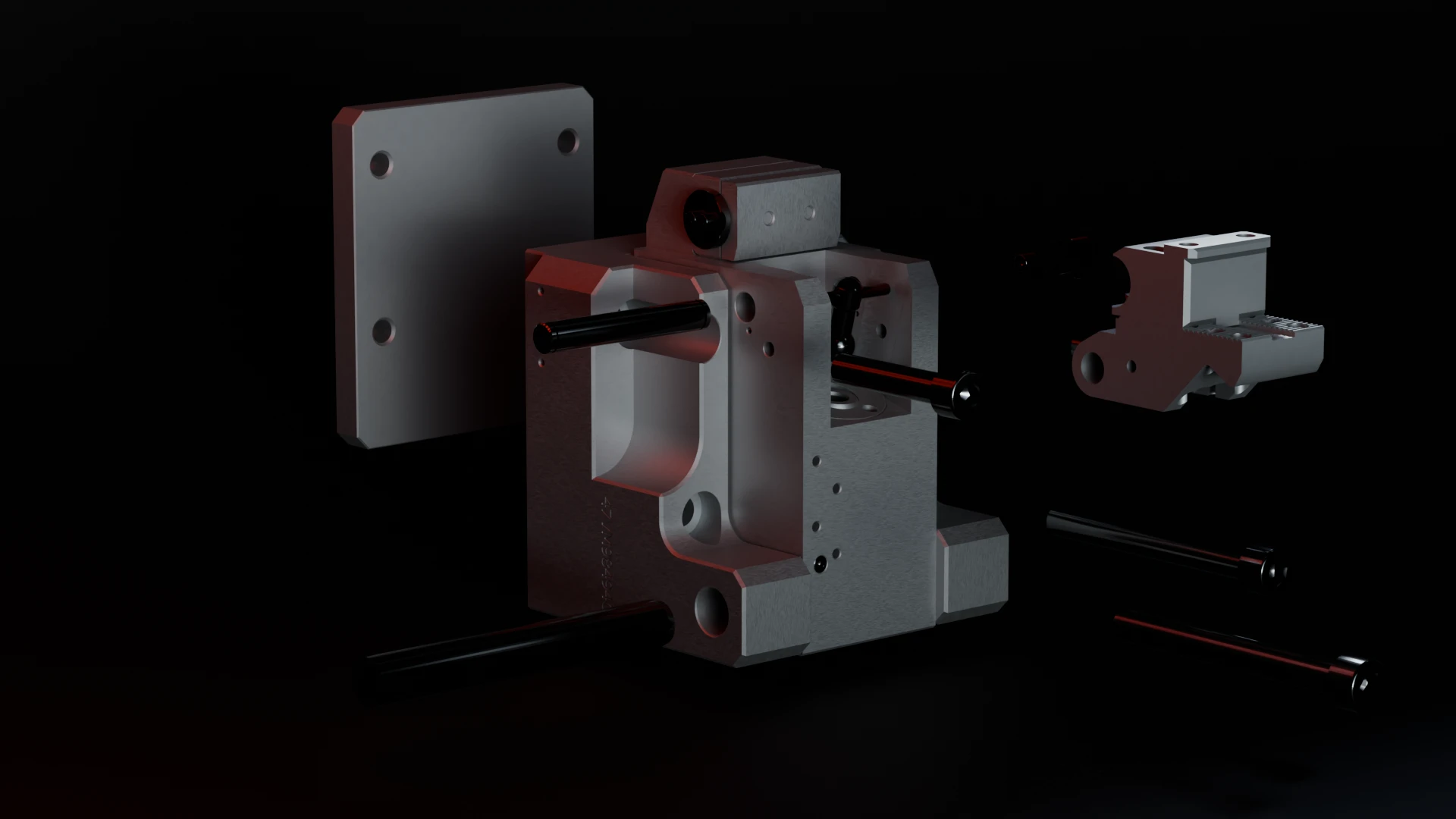
Special products
tailor-made
A&T stands out for its ability to offer custom-made products, designed to meet every specific need in the field of pneumatic and hydraulic solutions. We guarantee precision, quality, and innovation in every detail to ensure maximum efficiency and reliability.