

3/2 NA
Didn’t find what you were looking for?
Contact us and we will help you to find the most suitable solution
Contact usSpecial products
Customized pneumatic components for your every need


Industrial Pneumatics: operation and applications
Pneumatics represents one of the most widespread and reliable technologies in the field of modern industrial automation.
This discipline, which uses compressed air as an energy carrier, forms the basis of countless production processes across various manufacturing sectors.
A&T Fluid Solutions positions itself as a qualified partner in the supply of pneumatic components and in the design of complete solutions, supporting companies in the development of efficient and high-performance systems.
What is meant by Industrial Pneumatics?
Industrial pneumatics is the branch of engineering that studies and uses compressed air to generate movement and mechanical force. The meaning of the term pneumatics derives from the Greek word “pneuma“, which refers to breath or air, the very element that constitutes the working fluid of this technology.
Unlike other energy transmission systems, pneumatics exploits the compressibility of air and its ability to store energy in potential form, subsequently converting it into kinetic energy through specific components.
In an industrial context, pneumatics takes shape in complex systems that integrate various elements: from the production of compressed air via compressors, through the treatment and distribution of the fluid, to the actuators that convert pneumatic energy into useful mechanical work.
These pneumatic systems are used in any context where it is necessary to automate movements, operate tools, or control processes with speed and precision.
What is Pneumatics used for?
Pneumatics performs multiple functions within production processes.
Primarily, it is used to automate repetitive operations that require controlled linear or rotary movements, such as lifting, handling, clamping, or rotating components.
Pneumatic components make it possible to:
- create solutions for precise positioning of elements,
- operate processing equipment,
- dose materials,
- and move products along production lines.
In addition to handling applications, pneumatic systems are used to power pneumatic tools such as screwdrivers, drills, grinders, and hammers, which are especially appreciated in the automotive and metalworking industries for their light weight and ease of handling.
Pneumatics is also employed in control and regulation systems, where compressed air actuates process valves, ensures pneumatic sealing, and powers control and signaling circuits.
How does Pneumatics work?
The operation of a pneumatic system is based on a chain of components that work together to transform electrical energy into mechanical energy, using air as an intermediate fluid.
Understanding pneumatic symbols, standardized by international regulations, is essential for reading diagrams and correctly designing systems.
A&T Fluid Solutions offers the complete range of pneumatic components required to create integrated, turnkey solutions.
The fundamental components of pneumatic systems
Air generation and treatment components
At the origin of every pneumatic system are compressors, which draw air from the environment and compress it to operating pressures typically between 6 and 10 bar.
Subsequently, the compressed air must be properly treated: filters remove solid particles and moisture, pressure regulators stabilize the operating pressure, while lubricators dispense controlled amounts of oil to protect downstream components.
This trio of elements forms the so-called FRL group (Filter-Regulator-Lubricator), which is essential for ensuring system longevity.
Distribution and control elements
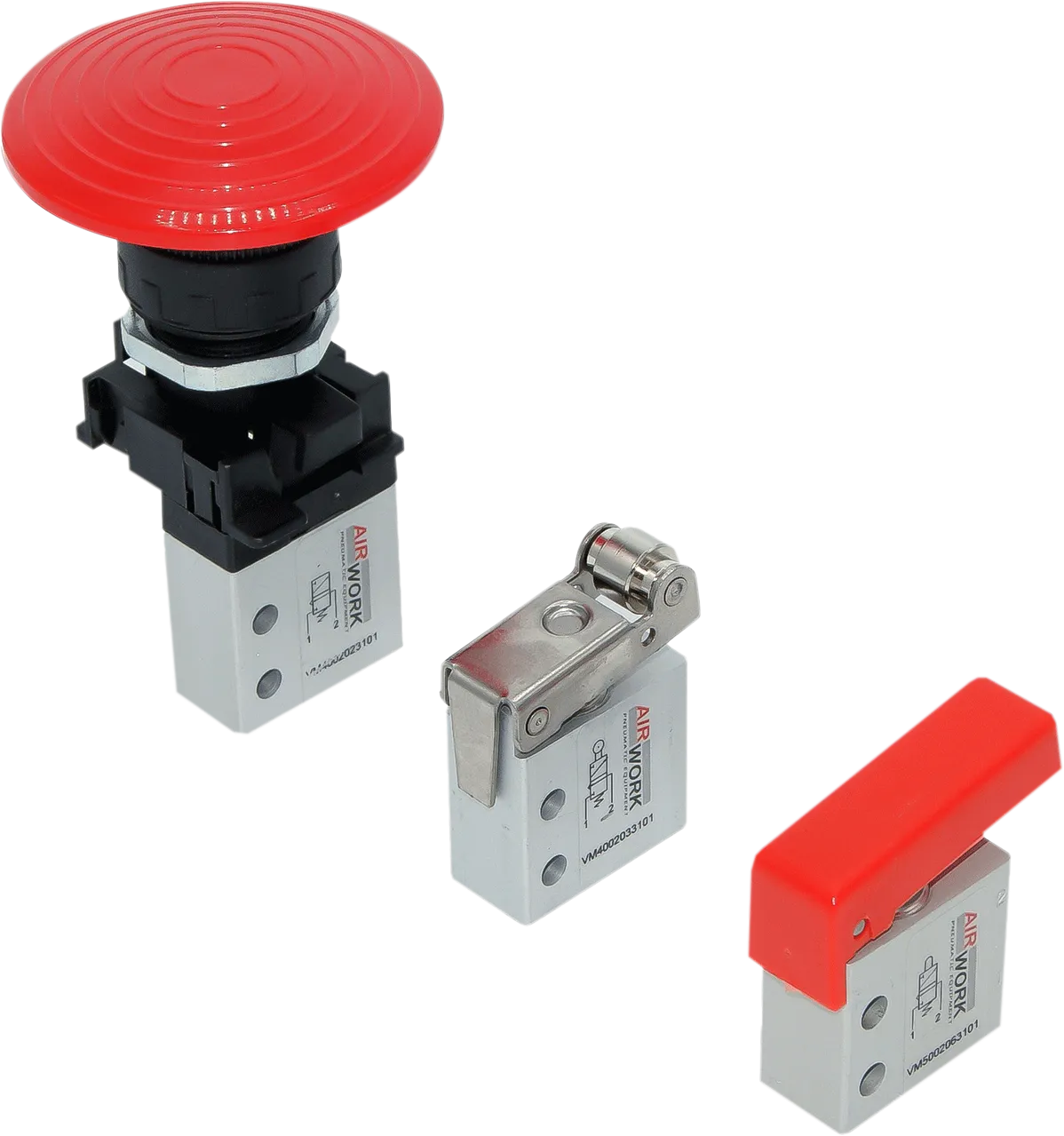
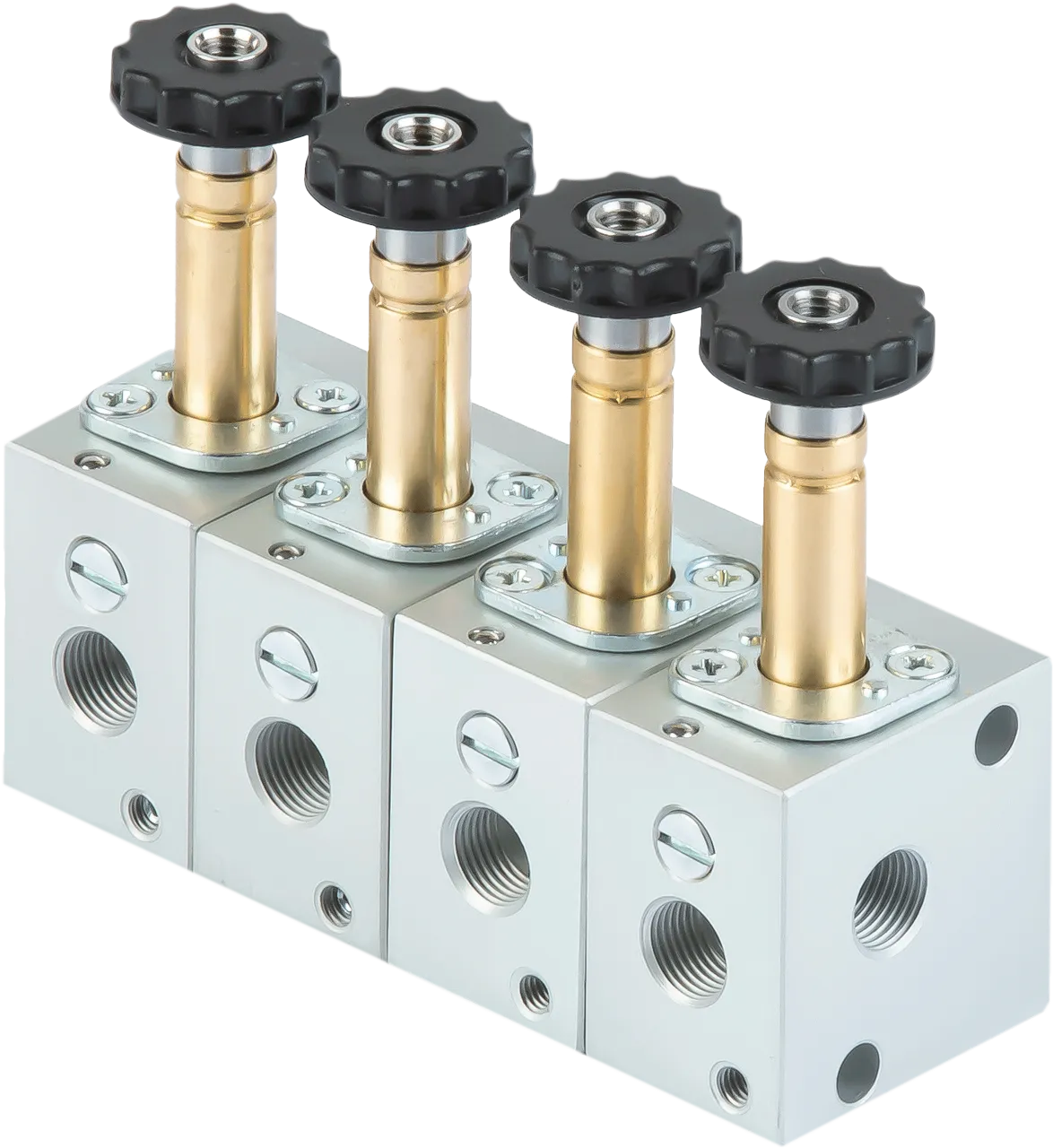
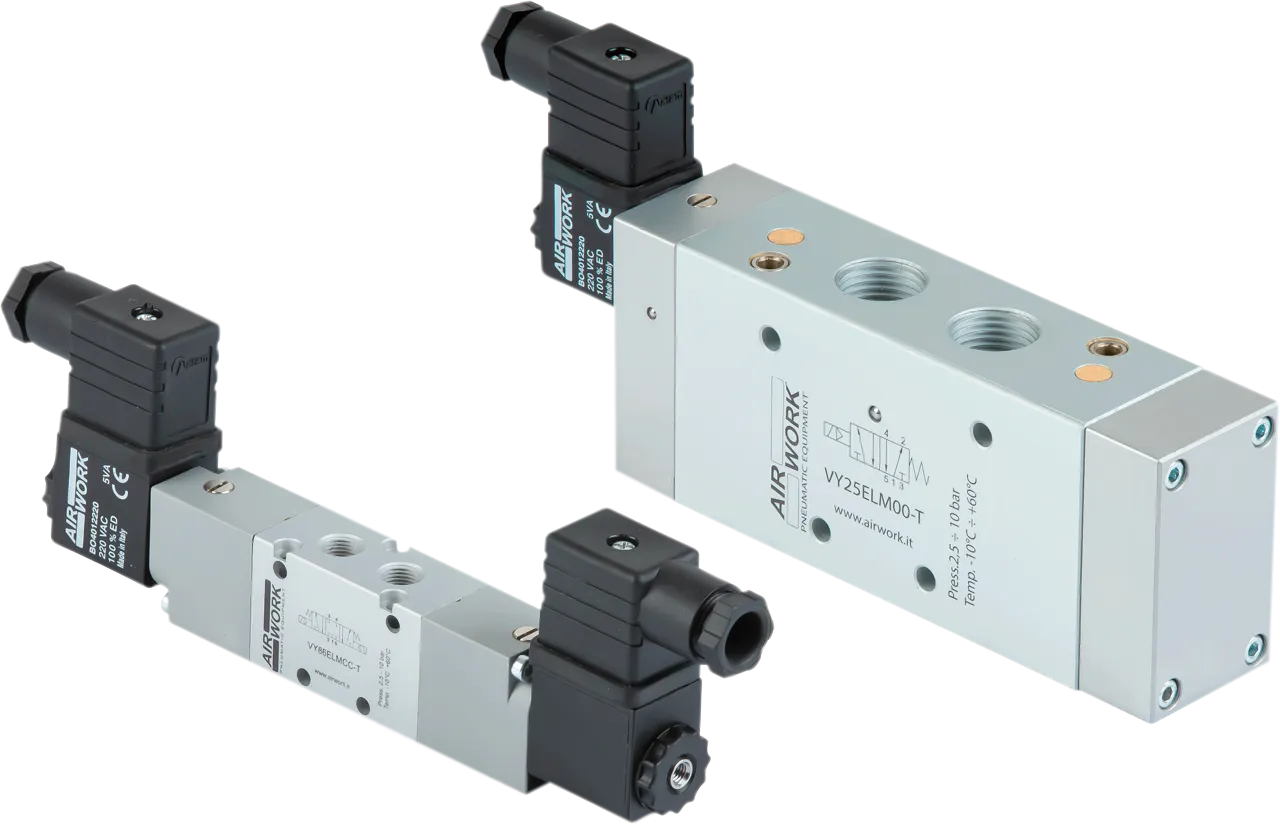
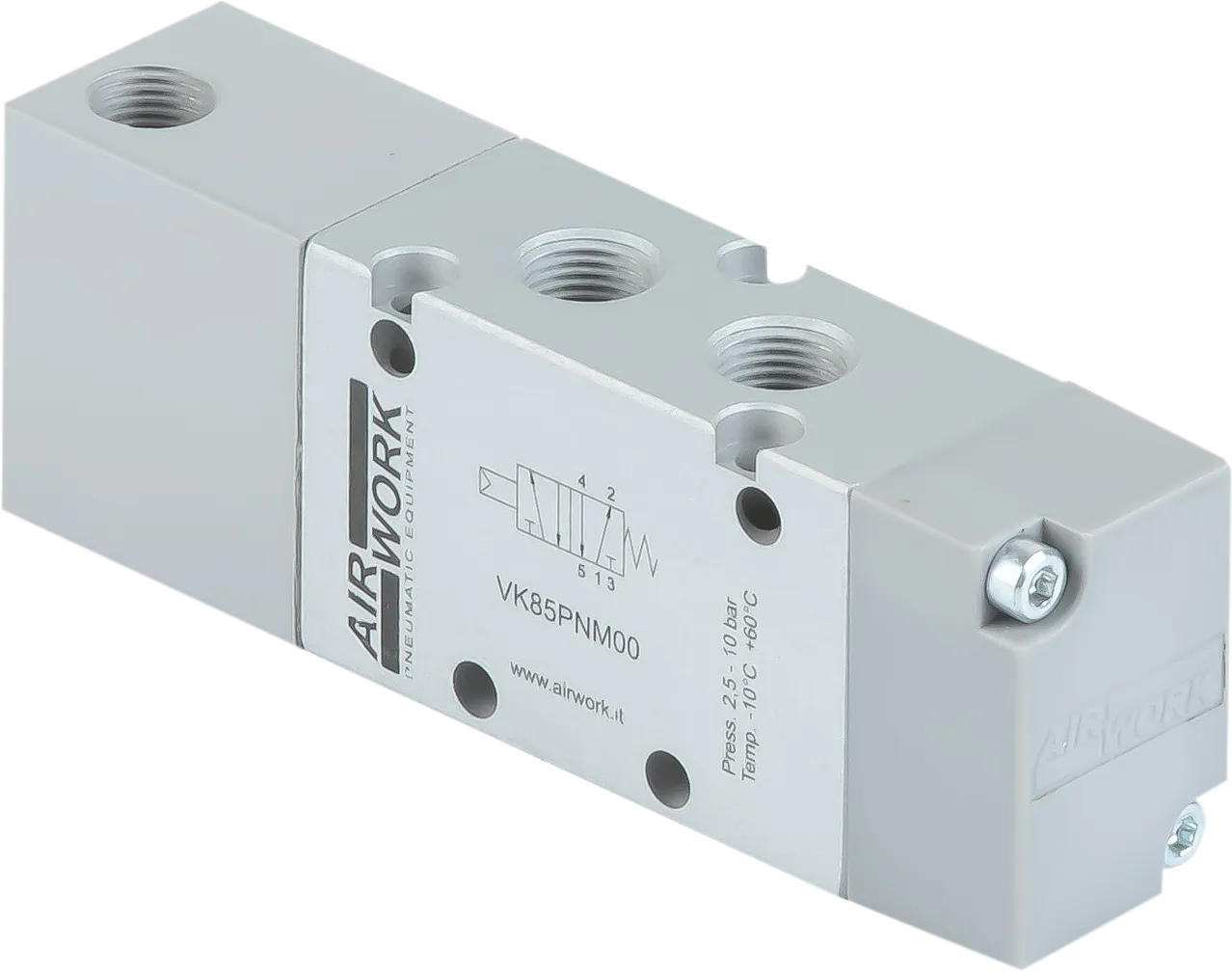
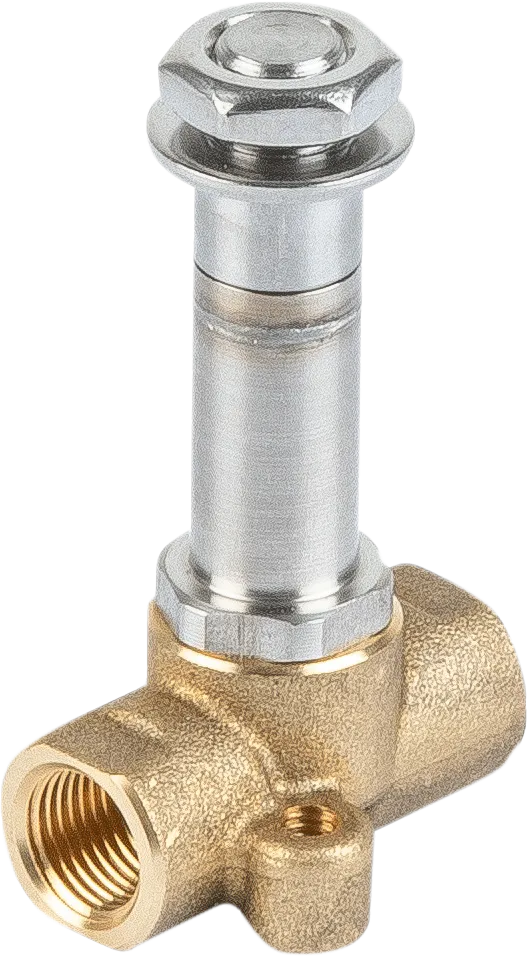
Pneumatic valves represent the heart of the control system, directing air flows toward the actuators according to the required control logic.
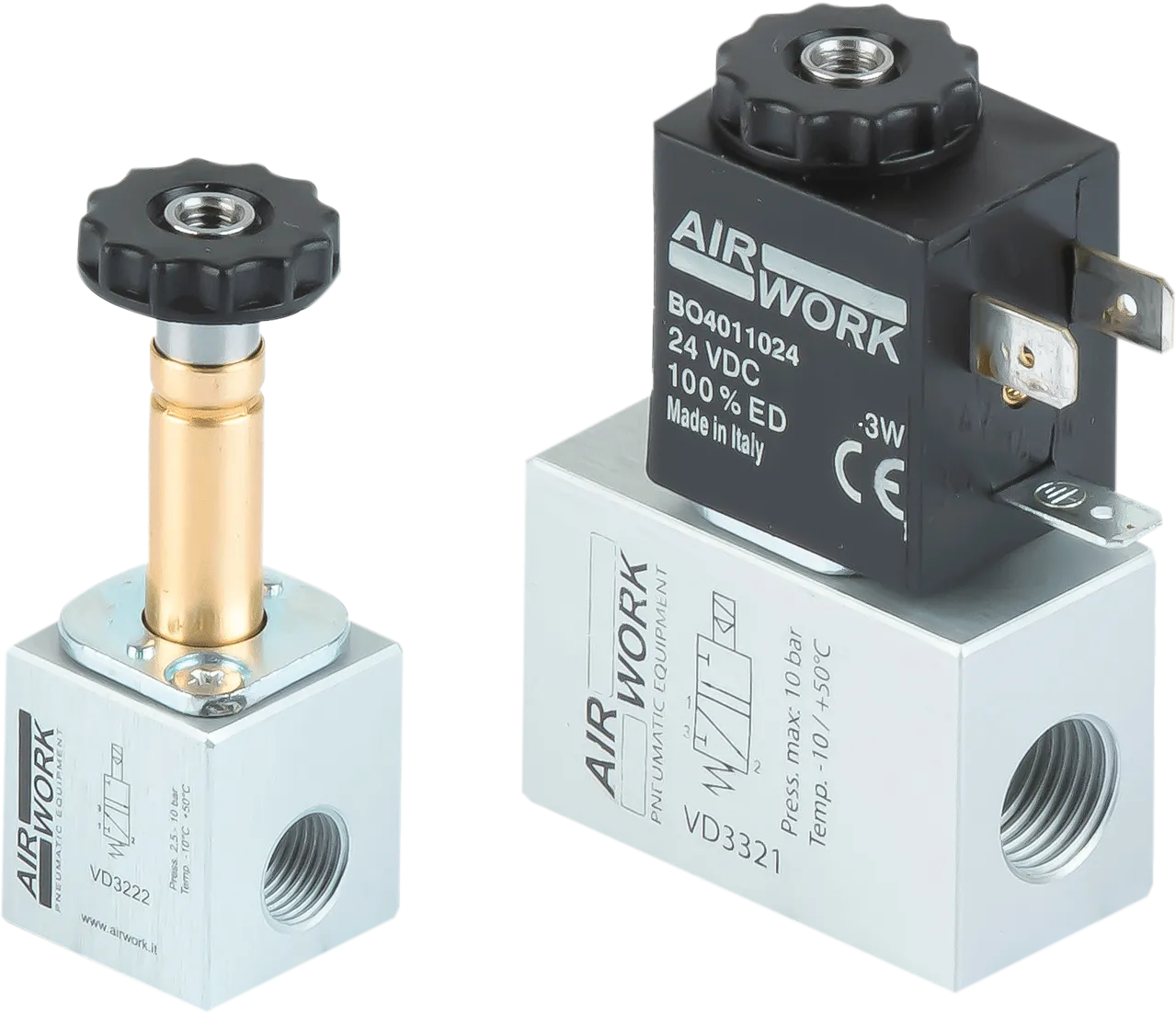
Pneumatic solenoid valves, in particular, enable interfacing with electronic control systems by receiving signals from PLCs or microcontrollers and converting them into pneumatic actions.
There are various types of valves, classified by number of ports, number of positions, and type of actuation, each suited to specific applications.
Pneumatic fittings ensure connections between the various components, guaranteeing sealing and reliability. Modern components favor push-in or quick-connect solutions, which allow fast assembly without the use of tools.
Pneumatic tubing, made from polymeric materials such as polyurethane or polyamide, completes the distribution system by transporting compressed air with minimal pressure losses.
Actuators and working components
Pneumatic actuators are the output elements of the system, converting the energy of compressed air into mechanical motion.
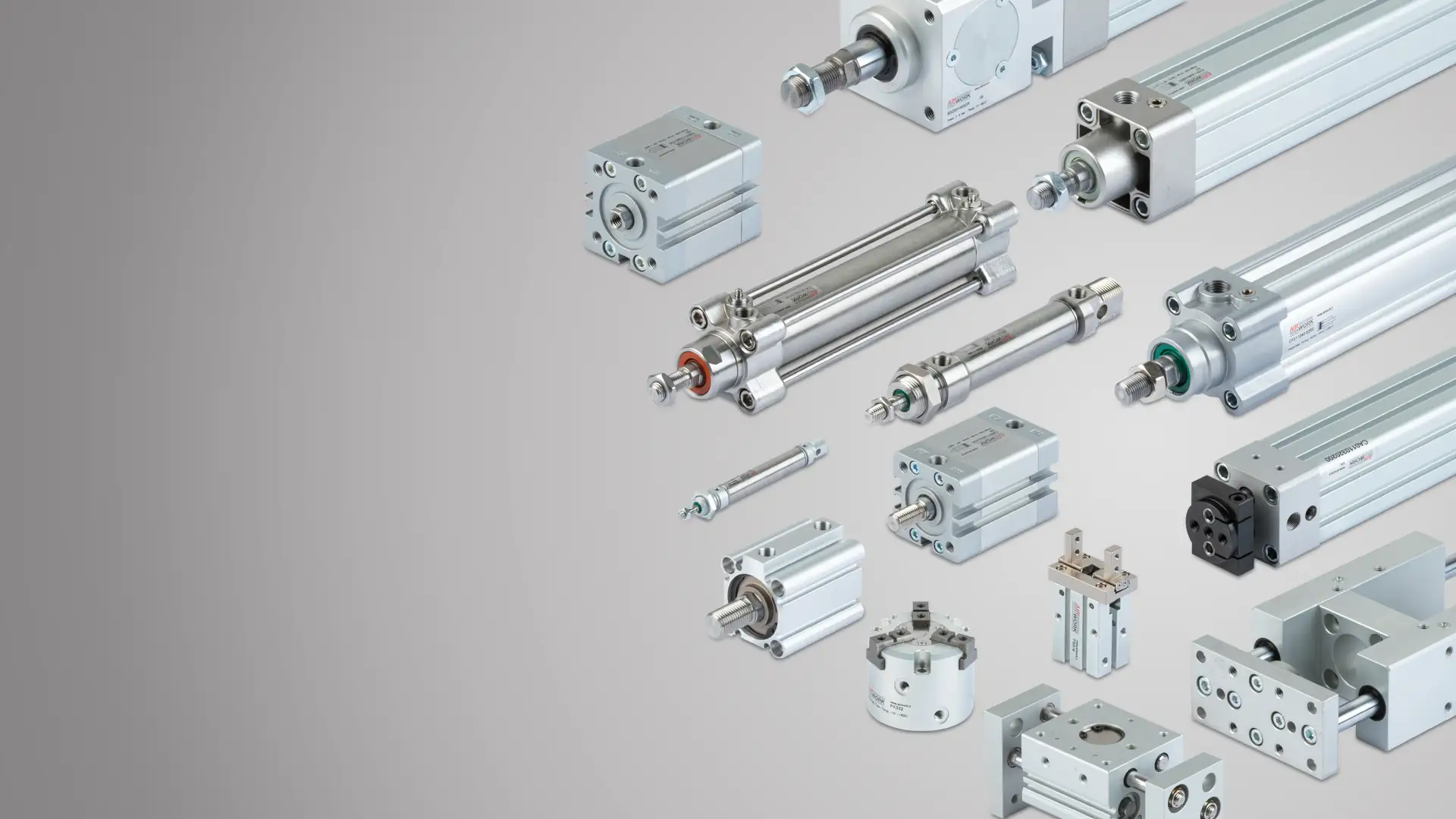
Pneumatic cylinders, available in single-acting or double-acting configurations, generate reciprocating linear movements with variable strokes and forces. The force developed by a cylinder depends on the operating pressure and the piston surface area, following the relationship F = P × A.
Alongside linear cylinders are rotary cylinders, which produce rotations from 0 to 360°, while specialized actuators such as pneumatic grippers complete the range of available solutions.
What are the advantages of Pneumatics?
Pneumatic systems offer numerous advantages that justify their widespread adoption in the manufacturing industry.
The primary advantage concerns intrinsic safety: compressed air is neither flammable nor toxic, making pneumatics ideal for potentially explosive environments or those with strict hygiene requirements. In the event of leaks, the air disperses into the environment without causing pollution or risks to operators.
The simple construction and robustness of pneumatic components ensure high reliability and low maintenance costs. Pneumatic actuators can tolerate overloads without permanent damage, thanks to the natural compressibility of air, which acts as a protective cushion.
This characteristic also provides shock and vibration absorption capabilities, protecting both the system and the processed components.
From an operational standpoint, pneumatics offers excellent response speeds, with switching times on the order of milliseconds, and allows very high movement speeds.
The power-to-weight ratio of pneumatic actuators is particularly favorable, a critical aspect in applications that require lightweight and compact components.
Furthermore, the unlimited and free availability of air as a working fluid, combined with the possibility of storing energy in tanks, ensures operational autonomy even in the event of an electrical power outage.
Sectors and applications of Industrial Pneumatics
The versatility of pneumatic systems has encouraged their widespread adoption across many production sectors.
In the automotive industry, pneumatics governs assembly lines, body handling systems, fastening tools, and painting equipment. Fast cycle times and repeatable precision make this technology indispensable for the high production volumes typical of the sector.
The packaging and bottling industries represent another key area for pneumatic systems, where they are used to operate filling systems, cappers, labeling machines, and palletizing equipment.
The cleanliness of compressed air, when properly filtered and dehumidified, makes it compatible with the hygiene requirements of the food and pharmaceutical industries.
In the woodworking and composite materials sectors, pneumatics powers portable tools and workpiece clamping systems, combining power and ease of use.
The plastics industry uses pneumatic actuators for mold opening and closing, part ejection, and handling of semi-finished products.
The textile industry, printing, electronics, and logistics sectors also extensively integrate pneumatic solutions into their processes.
A&T Fluid Solutions provides technical expertise and a complete catalog of pneumatic components to support designers and maintenance technicians in the development of efficient systems.
From the selection of individual components to the design of integrated systems, the company supports its customers with specialized consultancy and qualified assistance services, ensuring optimal solutions for every production need.
FAQ
When did Pneumatics originate?
The origins of pneumatics date back to ancient times: bellows used in forges already represented primitive forms of compressed air usage. However, the industrial development of pneumatics began in the 19th century with the invention of the first efficient compressors and the creation of air-powered machines for mining and construction applications.
Technological evolution in the 20th century then led to the miniaturization of components and integration with electronic systems, transforming pneumatics into the sophisticated technology we know today.
What is Electropneumatics?
Electropneumatics represents the integration of pneumatic systems with electrical control and command systems. In this configuration, solenoid valves receive electrical signals from sensors, push buttons, or programmable control systems (PLCs), and accordingly actuate pneumatic actuators.
This hybridization combines the advantages of pneumatic power with the flexibility and precision of electronic control, enabling the creation of complex automation with sophisticated logic. Electropneumatics is now the standard in most modern industrial applications.
What are the main differences between Pneumatics and Hydraulics?
The fundamental difference between hydraulics and pneumatics lies in the fluid used: while pneumatics employs compressed air, hydraulics uses mineral oil. Beyond the different fluids used, pneumatics and hydraulics exhibit significantly distinct characteristics.
Pneumatics typically operates at pressures of 6–10 bar with a compressible fluid, while hydraulics works at much higher pressures (up to 350 bar) with an incompressible fluid. This gives hydraulics the ability to generate very high forces and superior positioning precision, making it ideal for heavy-duty applications such as presses and lifting equipment.
Pneumatics, on the other hand, excels in speed, simplicity of installation, and operational safety, making it preferable for fast automation and applications in critical environments.
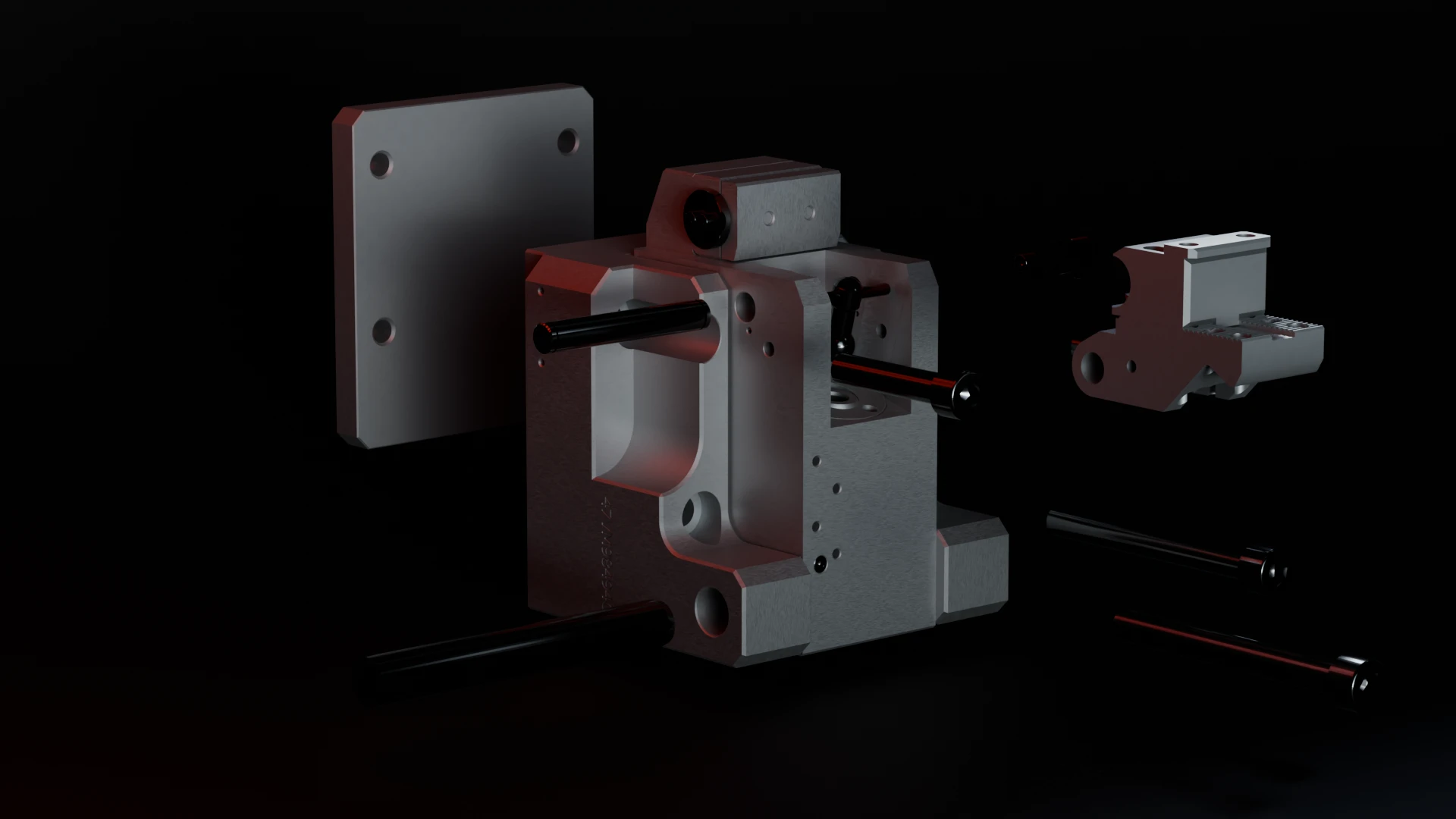
Special products
tailor-made
A&T stands out for its ability to offer custom-made products, designed to meet every specific need in the field of pneumatic and hydraulic solutions. We guarantee precision, quality, and innovation in every detail to ensure maximum efficiency and reliability.